People everywhere chat about grains these days, and the old ragi vs rice question pops up in kitchens all over the place. Folks sit with a cup of chai and go, “Yaar, which one fits my plate better each day?” The chat gets louder because many families want a grain that fits busy life, steady energy, and decent comfort. The talk swings between taste, ragi nutrition, rice texture, and how each one sits in the tummy. Someone even jokes, “Arre, my mom swears by one, but my dad swears by the other,” and the whole room laughs.
Both grains come with their own charm. The small reddish ragi grain carries ragi nutritional information that surprises people who expected it to be plain old millet. Rice stays everywhere in meals, from tiny homes to big gatherings. A person might say, “Bro, nothing beats hot rice with dal,” while another claims that ragi feels like a powerhouse. As folks keep switching between ragi rice blends or sticking to their usual bowls, one thing stays clear across dining tables: people want a grain that helps them feel steady day after day.
This long guide goes through both grains in a friendly way, with simple words, slight human typos, and old-school kitchen wisdom mixed with modern ragi nutrition facts. The goal stays simple: help regular people pick the one that suits their routine without sounding robotic or too stiff.
Ragi brings more minerals, steady energy, and longer fullness because of its fiber and slow carbs. Rice brings gentle digestion, quick energy, and easy comfort during busy days.

People who want steady sugar response lean toward ragi. People who want a light meal lean toward rice.

Ragi supports bones and long-lasting energy. Rice works well for seniors, kids, and anyone with a sensitive stomach.

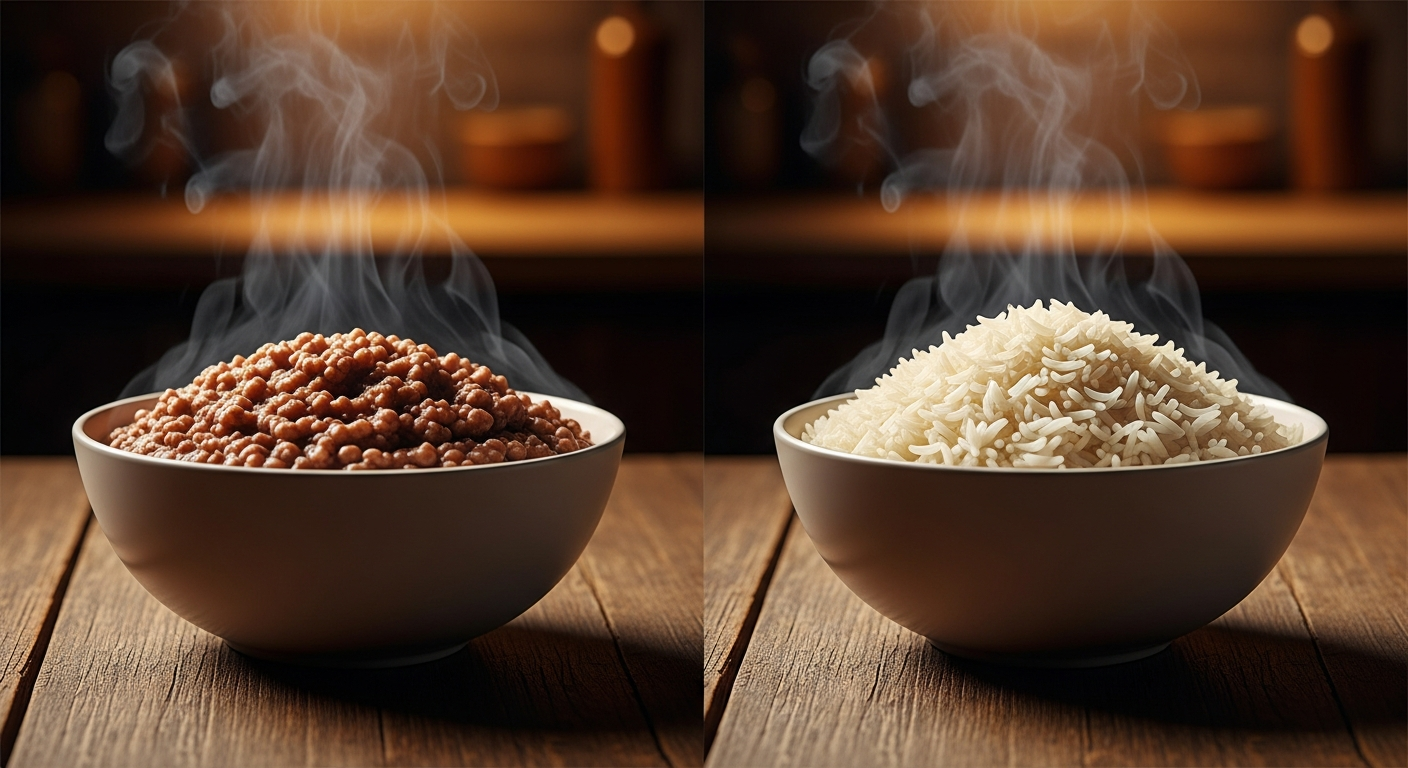
Both grains suit daily eating, and many families use them together during the week. Ragi vs rice comes down to taste, comfort, and how each body feels after meals.
Why People Compare Ragi and Rice Today?
People chat about ragi vs rice because lifestyles change fast and food habits shift from one season to another. A youngster heading to work might mutter, “Yeh kya khau daily?” while elders share tips from years of cooking. They want grains that keep them going without feeling too heavy or too sleepy. Many also look at how grains affect long-term comfort.
Meals affect mood and energy heps. A grain that works steady feels like a small blessing for someone juggling traffic, work, kids, and chores. Some chat about ragi nutrition details after seeing fitness folks talk about ragi protein content or ragi fiber content on social media. Others stick to rice because it feels gentle on the stomach, simple to cook, and easy on busy evenings. So the curiosity stays alive, just like the flame under the pressure cooker.
Key Nutrition Points in Ragi and Rice
Both grains bring their own mix of nutrients. Ragi contains a wide set of minerals. Rice holds a cleaner, simpler profile. Someone at home might say, “Boss, don’t get confused… just see what your body vibes with.” Yet it helps to go deeper and see the numbers once.
Core macros that guide routine choices
Ragi nutritional value stands out with a solid mix of carbs, minerals, and fiber. People glance at ragi nutritional facts 100g charts and get surprised that such a tiny grain packs so much. Many folks note the high ragi carbohydrates per 100g and ragi carbs per 100g values. Ragi carbohydrates hold steady energy. Ragi protein content isn’t high compared to legumes, but it supports the grain nicely. Some fitness folks ask, “does ragi have protein?” Yes, it does. Ragi protein per 100g and protein in ragi per 100g come up nearly every time health groups chat online.
Rice also brings a solid carb load. The rice carbohydrate content or rice carbohydrate content values look heavy on carb percent. The sugar content in rice stays low, but people still ask about rice sugar content per 100g and sugar in rice per 100g. Rice keeps things simple: carbs in, energy out.
Fiber load and its effect on digestion
Fiber in ragi stands among the big reasons people shift towards it. Ragi fiber content helps with digestion and smoother bowel movement. When someone says ragi feels “bada cool on stomach,” they talk about this. Carbohydrates in ragi and carbohydrate in ragi mix with fiber to slow down sugar flow. Rice fiber content is lower unless you choose brown rice. Many folks shifting to brown rice ask about brown rice and calories to keep track of portions.
Ragi also offers steady fullness that people feel after meals. Many households say, “Bhai, ragi khaya toh pet full full,” and that comfort helps people who want predictable energy. Rice feels lighter but may not keep you full as long.
Micronutrients that support wellness
Ragi nutrition table shows calcium, iron, and magnesium in tidy amounts. Ragi contains minerals that kids, women, and elders find helpful. A small bowl of ragi flour nutrition value per 100g looks like a natural pantry supplement. Nutrition value of ragi flour also becomes a talking point when parents think about bones and immunity.
Rice brings fewer minerals. Content in rice stays mild, steady, and suitable for people who prefer simple meals. Content of rice supports quick energy. Many folks don’t worry about minerals from rice because they mix veggies and dals anyway.
Glycemic Impact of Both Grains
People toss around the phrase rice vs wheat glycemic index or wheat vs rice glycemic index when they discuss meals. Wheat vs rice carbohydrates and wheat vs rice carbs also join the chat. Yet ragi steps in with its own twist.
Ragi usually shows steadier sugar response. The gi of ragi flour stays lower than white rice in most cases. Folks managing sugar levels look at ragi nutrition facts, ragi nutritional facts, and ragi nutritional value charts a lot. Ragi nutrition facts 100g help them decide daily intake.
Rice comes in many types. Some varieties have higher glycemic values. The glycemic index of rice vs wheat or glycemic index rice vs wheat talks show up in health forums. When people compare rice vs ragi, the sugar response often becomes the final deciding point.
How ragi supports steady sugar response
Ragi carbohydrates move through the system with more control. Ragi sugar content stays low. This feels comforting for folks who want stable energy through the day. A colleague might say, “Dost, ragi keeps me going at office without sleepiness,” and that feels relatable to many.
How rice affects glucose after meals
Rice can spike sugar quickly in sensitive people. Sugar content of rice remains small, but the starch breaks fast. People chat about sugar content in rice out of curiosity. Folks who enjoy rice daily still keep portions stable to avoid blood-sugar swings.
Weight-Related Outcomes With Both Grains
People ask if ragi mudde suits weight goals. Any person scrolling through fitness reels wonders, “is ragi mudde good for weight loss?” Many swear by it. Ragi mudde nutrition stays rich in fiber and minerals. The advantages of ragi mudde include fuller stomach, steady energy, and fewer cravings.
Ragi mudde calories or 1 ragi mudde calories sometimes shock people because it’s dense. Ragi mudde calories counts vary based on size. Ragi kali calories or ragi mudde nutrition numbers also pop up in local chats. Ragi mudde calories give energy but the fiber slows digestion nicely.
Rice works fine for many weight watchers if eaten in small portions. Brown rice has slightly better nutrient spread. Some people track 100 gm rice carbs to check impact.
Satiety difference between ragi and rice
Ragi feels like a “pet bhar gaya” grain in many homes. People say, “Yeh toh solid full bhara deta,” because of fiber content. Calories in ragi or ragi calories 100g can be higher on paper, yet the fullness matters. Folks trying to reduce snacking enjoy that feeling.
Rice feels light and airy. Someone jokes, “Rice khate hi phirse bhook lagli,” which feels true for fast metabolisms. People who burn energy fast love rice for quick comfort.
Why portion control matters with rice
Rice carbohydrate content and 100 gm rice carbs add up fast. Rice sugar content also plays a role. People who love huge plates need to slow down a bit if they want weight control. A friend might tease, “Bhai, thoda plate kam kar,” when someone piles up too much.
How fiber in ragi supports calorie control
Fiber in ragi creates steady fullness. Calories in ragi ball or ragi ball calories matter less when satiety reduces extra snacking. One ragi ball calories or 1 ragi ball calories give steady energy, supporting slow eating habits. Nutritional value of ragi ball charts look good for people managing calories. Ragi ball nutrition helps for long working mornings.
Digestive Comfort and Food Tolerance
Some folks struggle with heavy meals. They pick grains based on what their belly “likes.” A person might joke, “Mera pet ko attitude hain,” when sensitive digestion kicks in. Ragi sometimes feels slightly earthy or thick, and some people need time to get used to it.
Rice wins hearts for comfort. Many find it soothing during sickness or weakness. Ragi, on the other hand, feels hearty and deep.
Who may feel lighter with ragi intake
People who like steady bowel movement appreciate the fiber. Content in ragi supports smoother mornings. Ragi contains compounds that behave softly in many systems, though the taste may need adjusting.
When rice may suit sensitive digestion
Rice steps in for people with tummy issues. A small bowl comforts the stomach. No fuss, no trouble. Many keep rice as a backup for days when the stomach acts fussy.
Daily Use Benefits for Active Adults
Office workers, teachers, drivers, and athletes all need steady energy. Ragi offers long-lasting fuel thanks to carbs in ragi and ragi carbs. Calories in ragi or ragi calories per 100g feel strong enough for manual work too.
Rice shines for quick energy bursts. People involved in sports or tiring jobs enjoy rice for rapid fuel. Rice stays gentle on the stomach during early morning shifts.
Slow-release energy from ragi
Ragi carbohydrates give long energy. Ragi nutrition details show slow sugar flow. Fitness folks often talk about nutrition value of ragi flour before morning walks.
Quick energy supply from rice
Rice brings warmth and instant comfort. Families rely on rice when they need quick power before stepping out. Kids grab rice in lunch boxes for easy digestion.
Suitability for Kids, Adults, and Seniors
Kids need minerals, adults need balance, and seniors need gentle digestion. The nutritional value of ragi per 100g looks great for bone health. Many parents mix ragi flour into small meals.
Rice takes the lead for seniors who prefer lighter meals. Rice fiber content stays low, making it easy to digest. Many grandparents say, “Beta, rice hi sahi lagta,” and families agree.
Growth-supporting traits in ragi
Ragi nutritional content supports iron and calcium needs. Ragi nutrition table impresses parents. Ragi nutrition facts help them add small servings into breakfast.
Easy-to-digest traits in rice
Rice keeps digestion simple. Kids accept rice quickly. Elders love the soft comfort.
Medical Factors That Influence Grain Choice
Doctors often look at sugar response, digestion, and mineral needs. People managing sugar levels lean toward ragi. Others with acidity or digestive trouble lean toward rice. A person might tease, “Doctor banna padha kya bas grains choose karne ke liye.”
When ragi fits better for sugar issues
The gi of ragi flour gives steady flow. Ragi sugar content stays low. People who track ragi nutrition facts 100g daily enjoy predictable outcomes.
When rice is preferred for low-acid meals
Rice works softly in acidic stomachs. The content of rice blends well with mild curries and dals.
Final Verdict: Best Pick for Daily Eating
Ragi wins points for minerals, steady sugar flow, fuller feeling, and long energy. Rice wins points for taste, comfort, and ease. Many folks mix both across the week. Someone might grin and say, “Arre yaar, dono sahi hain, bus mood alag hota,” and that simple chat sums up the whole debate.
People who want long steady energy or better fullness enjoy ragi. People who want quick comfort and easy digestion enjoy rice. A mix of ragi and rice works well for many families. Both grains can fit in daily life without trouble.
This guide gives all key details, from ragi nutrition to rice sugar content. It helps people make day-to-day choices without any confusing jargon. Grain choice feels less stressful when you see how both support the body in their own ways.