People in India keep asking which grain works best for daily meals, and this question comes up a lot during family chats. Many folks say rice feels light but leaves them hungry soon, and wheat feels heavy after long days. Millets sit somewhere in the middle, and their rising fame sparks plenty of talk. Some call them old-school grains, and others say they feel like a smart pick for steady energy. Many households try to sort out if they should switch fully or mix both in weekly meals.
This guide looks at nutrition, digestion, price factors, taste, and cooking use in a simple way. The goal is real clarity. The info here follows health data common in India, and nutrition facts from trusted Indian diet studies. Every section uses bold keywords such as millets vs grains, millet nutrition, low GI millets India, and healthy carbs in a natural way.
Key nutrition points in millets and common grains
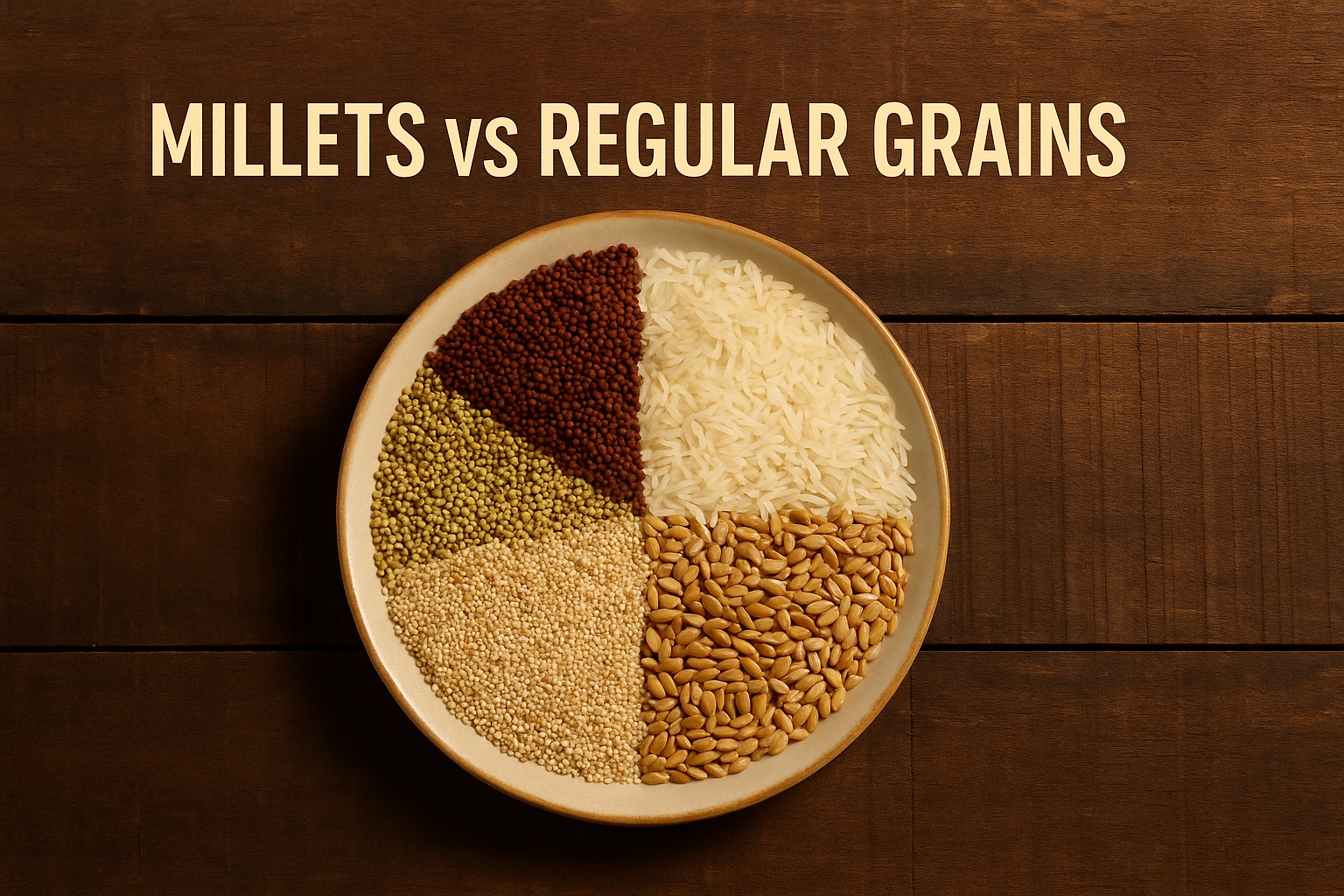
Millets spark interest because they’re rich in fibre, minerals, and steady-energy carbs. People feel they keep hunger down longer, which suits long work days. Wheat and rice still play a key role in Indian kitchens. They’re easy to cook and widely used in chapatis, rotis, biryani, dosa batter, and cheela mixes. Many families lean on them out of habit. Some nutrition gaps show up when meals depend too much on refined grains. Millets vs grains comparisons help readers fill these gaps in a balanced way.
Core nutrient gaps in daily Indian diets
Many people miss fibre, iron, and zinc in day-to-day eating. Dieticians say these gaps link to tiredness and sugar swings. Folks often say, “Yaar, energy hi nahi rehti,” and this is a common complaint from office workers.
How millets fill these nutrient needs
Millets bring millet nutrition into daily meals. They include iron-rich varieties like ragi and fibre-rich ones like foxtail millet. A lot of people say, “Stomach feels better,” after adding them twice a week.
What regular grains still offer today
Rice and wheat offer comfort, tradition, and steady cooking outcomes. Many households feel lost without them. They’re easy to digest for most and carry cultural value across India.
Glycemic value and blood sugar impact in both grain groups
People dealing with sugar issues search a lot for low GI millets India and best millets for diabetes in India. The glycemic load of a grain affects energy, mood, and hunger. Many people say, “Sugar jump ho gaya,” pointing to spikes after heavy meals.
Glycemic load differences in common grains
Refined rice shows a quicker rise in sugar. Whole grains help more. Millets like kodo, foxtail, and little millet offer slower sugar release.
Why diabetics shift to low GI millets
Doctors say low-GI grains help maintain steadier energy. People feel lighter through the day and say sugar stays more settled.
Portion tips for steady sugar control
Mix regular rice with millets. Keep portions moderate. Add dal or curd for balance. Small tweaks help a lot without big lifestyle changes.
Digestion ease and gut comfort factors in grain choices
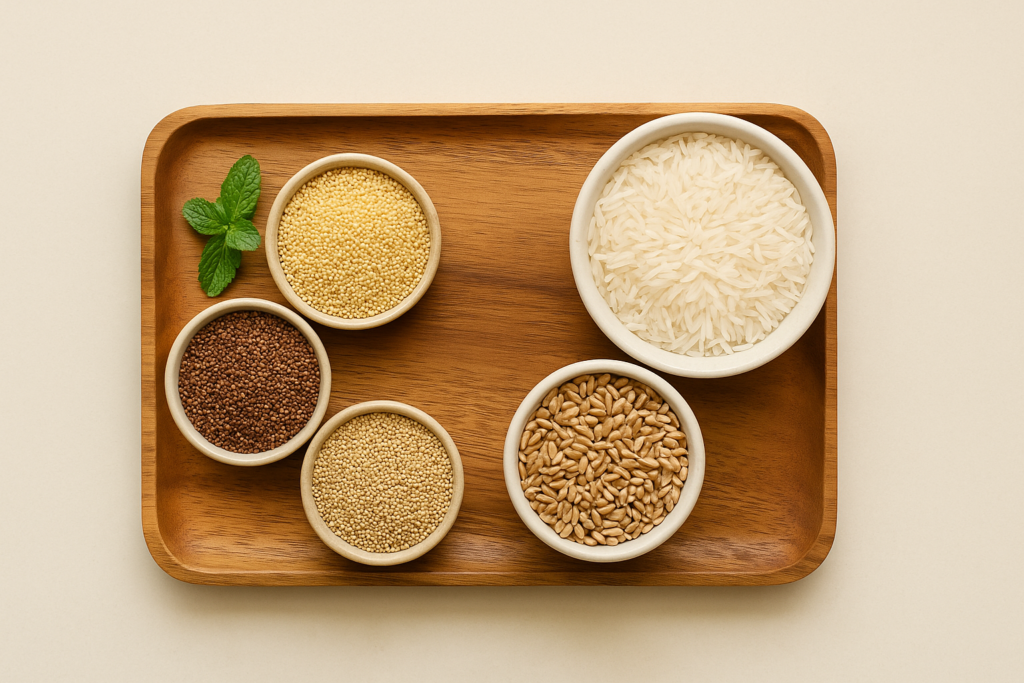
Some grains cause bloating or cloudy stomach feels. Folks often say “Pet tight lag raha,” after heavy wheat meals. Millets support smoother digestion for many people who prefer higher fibre and easy gut movement.
How fibre quality changes digestion
High-fibre grains let the stomach work steadily. They slow acid spikes and cut late-night heaviness.
Millets that support smoother digestion
Kodo, little millet, and barnyard millet sit well with sensitive stomachs. Many office-goers say they feel less “uff” during evening hours.
Grains that may trigger bloating issues
Wheat causes slight discomfort for some people. Too much refined rice gives a light-but-hungry mood later, which people call “khali khali feel.”
Weight goals and meal calorie balance for Indian diets
Weight control stays top-of-mind in many Indian homes. People love talking about millets for weight loss and healthy carbs. Millets help by giving longer fullness through their fibre structure.
Satiety levels in millet-based meals
One bowl of foxtail or ragi keeps you full longer than polished rice. Folks say, “Snack ki zaroorat hi nahi padti.”
How refined grains influence cravings
Refined grains move fast through digestion and spark quick hunger. Many say they crave chips or chai biscuits soon after.
Smart swaps for lower calorie meals
Swap 40% rice with barnyard millet for lunch. Try ragi dosa or jowar roti twice a week. These swaps feel simple and budget-friendly.
Daily cooking fit for Indian kitchens using millets and grains
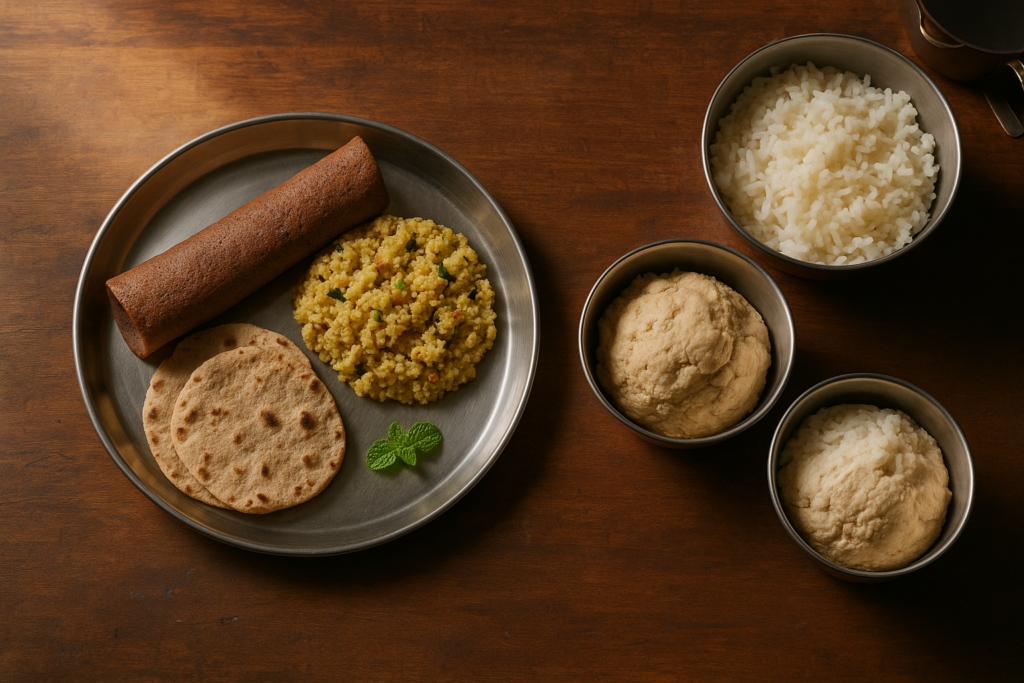
Indian homes need grains that work well with dal, sabzi, sambar, curd, and chutneys. People love dishes that taste homely and stay light on busy days. Many families test new millet recipes with curiosity.
Millet dishes that suit Indian meals
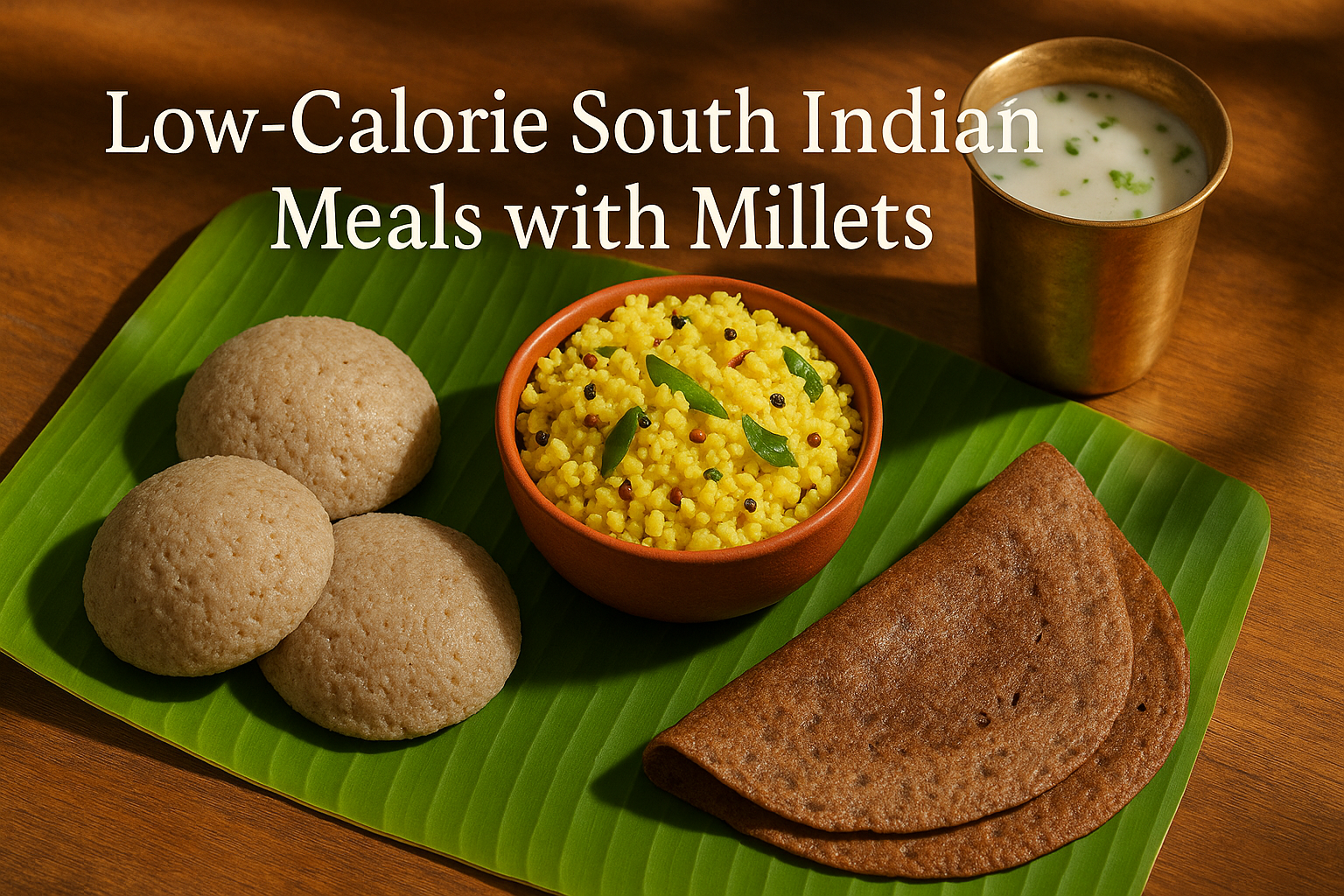
Try ragi dosa, jowar roti, bajra khichdi, foxtail upma. People say these meals give old-school comfort with a fresh twist.
Grains needed for traditional recipes
Chapati, biryani, idli, and most festival foods still rely on rice or wheat. Families prefer not to tweak classic foods too much.
Best ways to mix both in weekly plans
Follow a blend: two millet meals per week, rest regular grains. Slowly move to three or four millet meals if it suits your body.
Cost, access, and local buying choices across India
Prices shift a lot between cities and rural areas. Many people say, “Market rate badal gaya,” when they see millet prices rise. Buying regionally grown varieties helps control cost.
Price gaps in urban and rural markets
Millets often cost more in metro stores. Rural mandis offer better rates. Wheat and rice stay more stable.
Buying tips for fresh local millets
Pick loose millets from trusted stores. Check moisture smell. Ask sellers about harvest cycles. Many people forget this small detail.
Value comparison with wheat and rice
Rice and wheat stay affordable. Millets give more nutrition per gram, so long-term value stays strong even with higher price.
Suitability for kids, adults, and seniors in daily meals
Families want grains that work for all age groups. Kids feel picky, adults want energy, seniors need soft digestion.
How kids respond to millet textures
Kids like dosa or idli forms more than rotis. Sneaking millets into cheela or uttapam works like magic.
Which grains work for active adults
Adults with long work hours feel good on millet-heavy lunches. They say energy doesn’t drop mid-shift.
Senior-friendly grains and millet picks
Foxtail and kodo millet soften well during cooking. Seniors appreciate gentle texture and steady digestion.
Doctor and dietitian advice seen in Indian nutrition
Experts across India say millets help with long-term health goals. People with thyroid, acidity, or sugar variations benefit when they adjust slowly.
Who must shift to millets slowly
People with IBS or heavy acidity must adjust step-by-step. Sudden fibre jumps cause discomfort.
When grains are still suitable daily
Rice helps during sickness. Wheat fits families with high activity. Both grains stay relevant.
Safe mixing ratios for balanced meals
A half-half mix works for many homes. Gradual change avoids stomach stress.
Final choice: what grain suits your lifestyle best
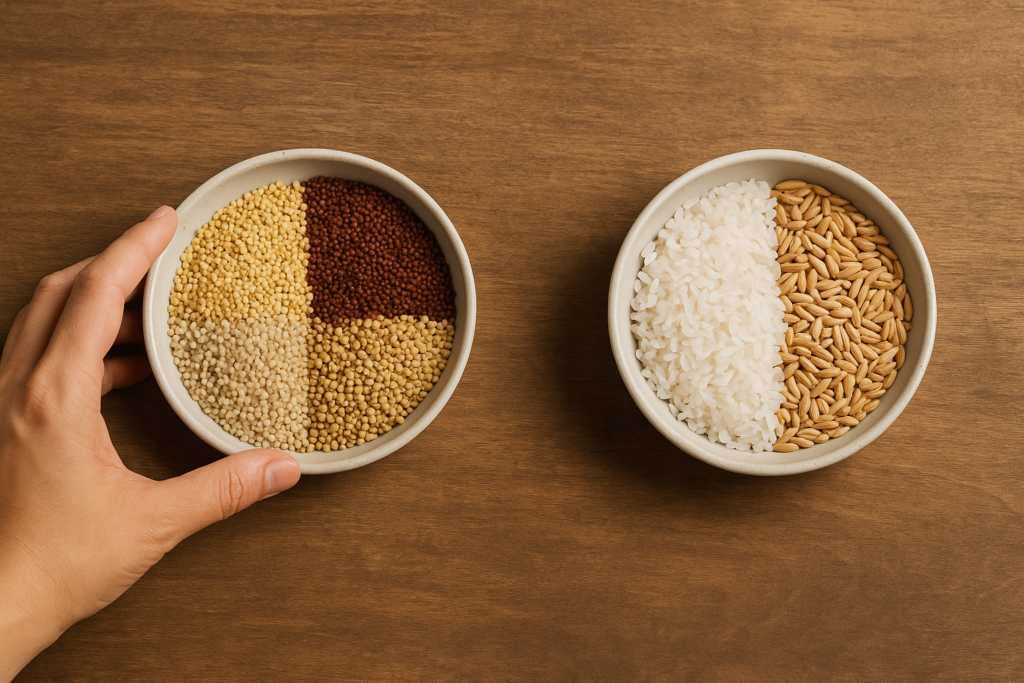
Most families pick grains based on budget, taste, and health targets. Some people move to millets for fibre. Some stay with rice for comfort. Mixing both feels easy.
Diet goals that favour millet choices
People wanting sugar balance or weight goals benefit from millet meals.
When regular grains remain practical
Busy families prefer easy wheat and rice meals. They cook quickly and fit cultural habits.
Balanced weekly pattern for Indian homes
Four meals with millets, rest with grains, keeps both taste and nutrition in harmony.
Also Read: Rice or Ragi: Which One Fits Your Plate Each Day?
Conclusion
Picking between millets and regular grains depends on your body, your mood, your cooking flow, and your food culture. Many folks in India share the same confusion, saying, “Kya khaye roz?” This guide keeps things simple so you can choose with clarity. Millets offer fibre, steady sugar levels, gentle digestion, and strong mineral support. Rice and wheat still stay part of family habits and local comfort foods. You don’t need to pick sides fully. You can mix both and still get the best of each. Small swaps make a big shift over time. A few millet meals per week feel realistic and suit most routines. A balanced plate works better than strict diets. Stick to grains that match your health targets and fit your day’s rhythm. Try changes slowly and see what feels good to your gut and energy.