India’s food habits rarely change overnight. They shift quietly, shaped by routine, price, mood, and memory. That is why the recent rise of millet-based snack cakes deserves attention. Not because they are fashionable, and not because they promise dramatic health claims, but because they reflect a deeper adjustment in how Indians are thinking about everyday eating.
Snacking in India has long been informal and emotional. It filled gaps between meals with little reflection. What mattered was familiarity: the same biscuits, the same fried bites, the same packet opened almost automatically. Over the past few years, that instinctive behaviour has started to slow down. People still snack, but many now pause briefly before doing so. They check labels. They notice how food sits in the body. They connect fatigue, bloating, or sugar crashes to what they ate earlier.
This change did not arrive through strict diets or loud wellness messaging. It came through lived experience, particularly after the pandemic years sharpened awareness around health, resilience, and long-term habits. Against this backdrop, millet cakes are beginning to feel relevant in a way that older “health foods” never quite managed.
An Old Grain Meeting New Routines
Millets have always been part of India’s food history. Bajra, ragi, jowar, and other varieties sustained communities across regions for centuries. Their gradual disappearance from urban kitchens had less to do with nutrition and more to do with aspiration. Refined wheat and polished rice became symbols of progress, convenience, and status.
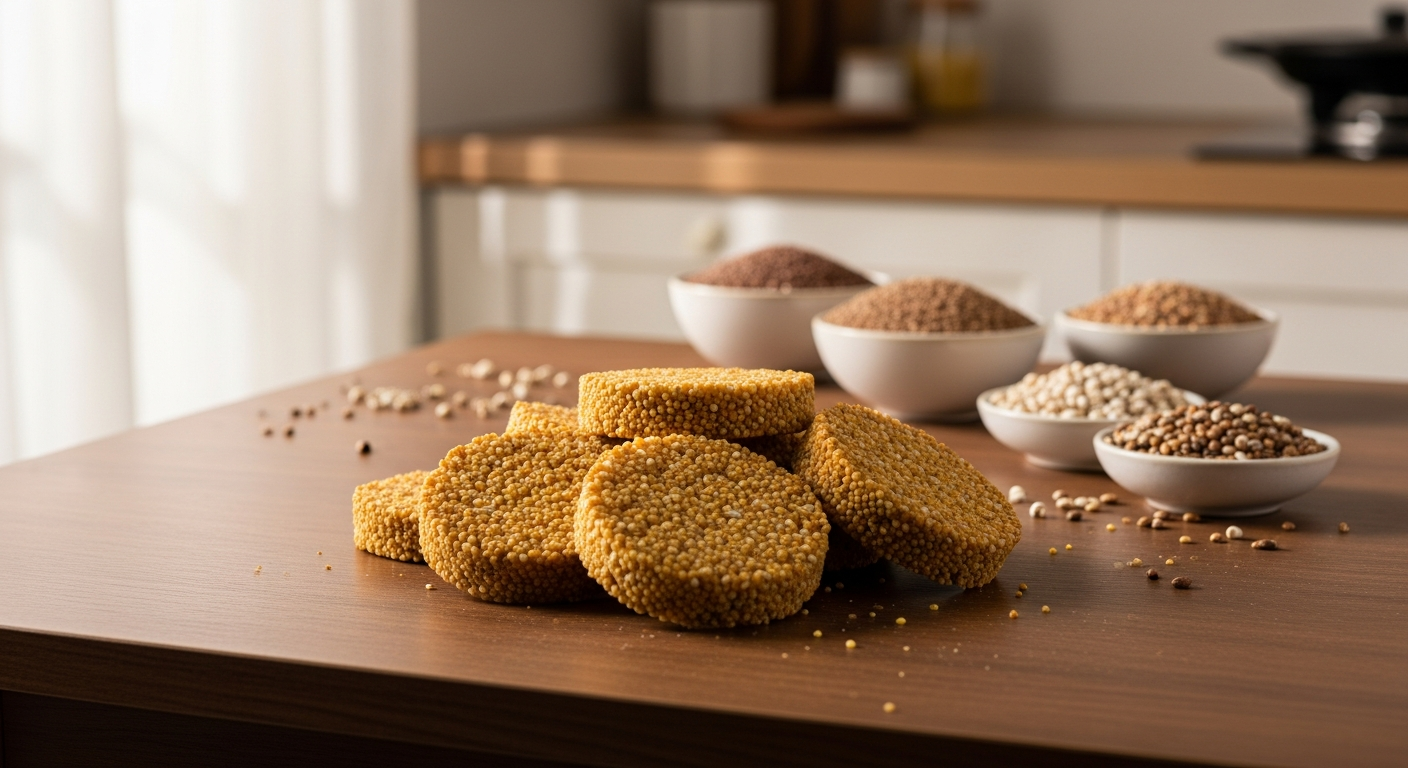
What has changed now is context. Urban life is more sedentary. Lifestyle conditions are more common. Climate concerns are no longer abstract. In this setting, millets are returning without the baggage of nostalgia. They are being reshaped to suit modern schedules: baked instead of fried, portioned for desk drawers, packaged for travel, and designed to last on shelves.
Millet cakes fit neatly into this reality. They do not ask consumers to relearn cooking methods or commit to major dietary shifts. They simply offer a different base grain in a familiar format.
Plant-Based Eating, Indian Style
India’s move toward plant-forward diets is often misunderstood. It is not driven by strict vegan rules for most people. It shows up in smaller decisions: fewer meat-heavy meals during the week, greater interest in grains and legumes, and some scepticism toward heavily engineered food products.
Nutrition experts note that many consumers are not trying to eliminate entire food groups. They want additions that feel easier on digestion and lighter on energy levels. Millets naturally suit this preference. They are plant-derived, fibre-rich, and widely recognised as traditional staples rather than novelty ingredients.
This makes millet cakes an easy fit. They require no explanation. There is cultural familiarity, even among younger buyers who may not have grown up eating them daily. Choosing a millet snack often feels like a sensible correction rather than a lifestyle statement.
From Specialty Stores to Regular Grocery Runs
The clearest sign of change is visibility. Millet-based snacks are no longer confined to niche organic shops or government-backed grain campaigns. They are appearing alongside mainstream biscuits and crackers, packaged with the same visual confidence.
Brands such as Tata Soulfull, Slurrp Farm, Open Secret, and The Whole Truth have been careful in how they position these products. The focus stays on taste, texture, and ingredient transparency rather than exaggerated promises. This matters. Indian consumers have grown wary of foods that shout about benefits but fail to deliver satisfaction.
Industry professionals point out that this shift has been gradual. Demand grew as people sought snacks that felt less heavy yet remained convenient. Products that behave like everyday snacks tend to earn repeat purchases. Those framed as substitutes or moral choices struggle to move beyond trial.
Why This Moment Works for Millet Cakes
Several forces are aligning. Rising awareness of blood sugar control and gut health has increased interest in slower-digesting grains. Climate discussions have highlighted crops that need less water and adapt well to varied conditions. At the same time, fatigue with ultra-processed foods is pushing buyers toward simpler ingredient lists.
Millet cakes sit at the intersection of these concerns without making them the centre of the conversation. Many people report feeling fuller for longer after eating them, which naturally reduces mindless grazing. There is also an emotional comfort in foods that feel recognisable rather than laboratory-built.
Food consultants caution that this balance is delicate. Once millet snacks become overly refined or packed with additives, they lose the very appeal driving their return. Their strength lies in restraint.
Not a Replacement, Just an Option
Millet cakes are unlikely to displace beloved snacks like samosas, namkeen, or cream biscuits. Indian food culture rarely works through replacement. It expands through addition. A millet cake may suit a workday afternoon, a travel bag, or a light evening. Traditional snacks will continue to own festive and social moments.
What makes this shift noteworthy is its quiet nature. There is no push to convert, no pressure to perform wellness. People are simply choosing differently in certain situations.
When food habits change this way, through comfort and practicality rather than instruction, they tend to stay. Millet cakes are not announcing a revolution. They are settling back into daily life, shaped by present-day needs. That understated return may be exactly why they are here to stay.