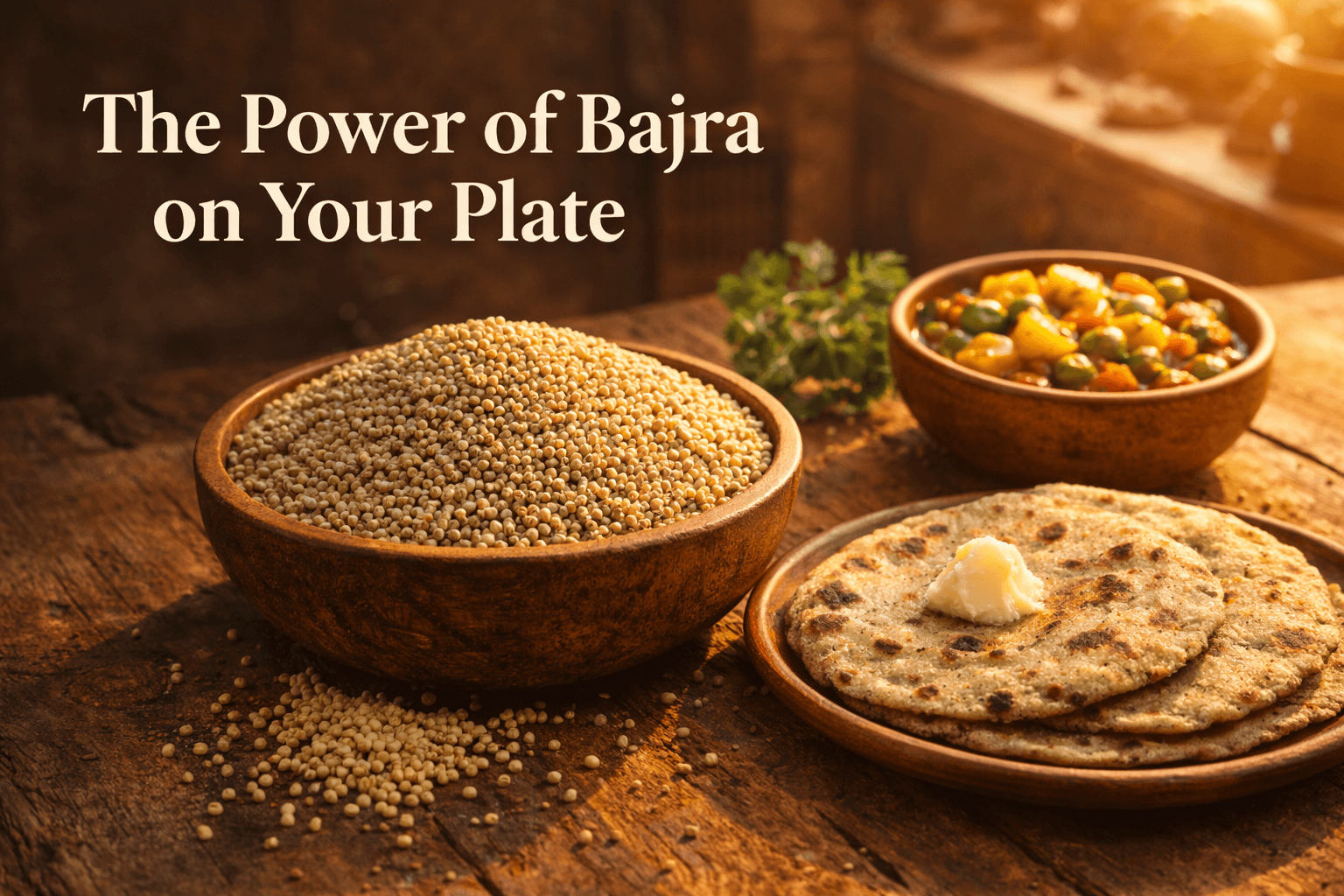
Assume that A grandmother in a small Rajasthani village presses thick, warm bajra rotis on a clay tawa, the smell of ghee filling her courtyard. At the same time, a millennial in a Mumbai apartment scrolls through posts about ancient grains and gluten-free grains, wondering whether pearl millet is worth trying. Both are linked by the very same grain, just seen through different lenses.
Most people have heard of bajra but see it as “some traditional winter roti” or one more healthy grain on a long list. Few know that pearl millet is one of the most powerful whole grains for weight management, better digestion, and steady energy. It fed entire communities long before polished rice and packaged bread took over Indian plates.
After the International Year of Millets in 2023, pearl millet quietly stepped back into the spotlight. Nutrition experts praise its fiber and protein, while environmental experts appreciate how little water the bajra crop needs. Yet many still feel unsure about how it looks, how it tastes, and how to cook it in a busy, modern kitchen.
This guide walks through the full story of pearl millet. There is a clear explanation of what it is, its rich nutrition profile, real bajra health benefits, and easy ways to use it in everyday meals. At Mekitt, we focus only on millets, so you get research-based information plus practical, Indian-style tips that fit real life, not just ideal meal plans.
“For most Indian homes, the simplest health change is to swap one refined grain meal with a millet-based one.” — Team Mekitt
What Is Pearl Millet? Understanding the Ancient Grain
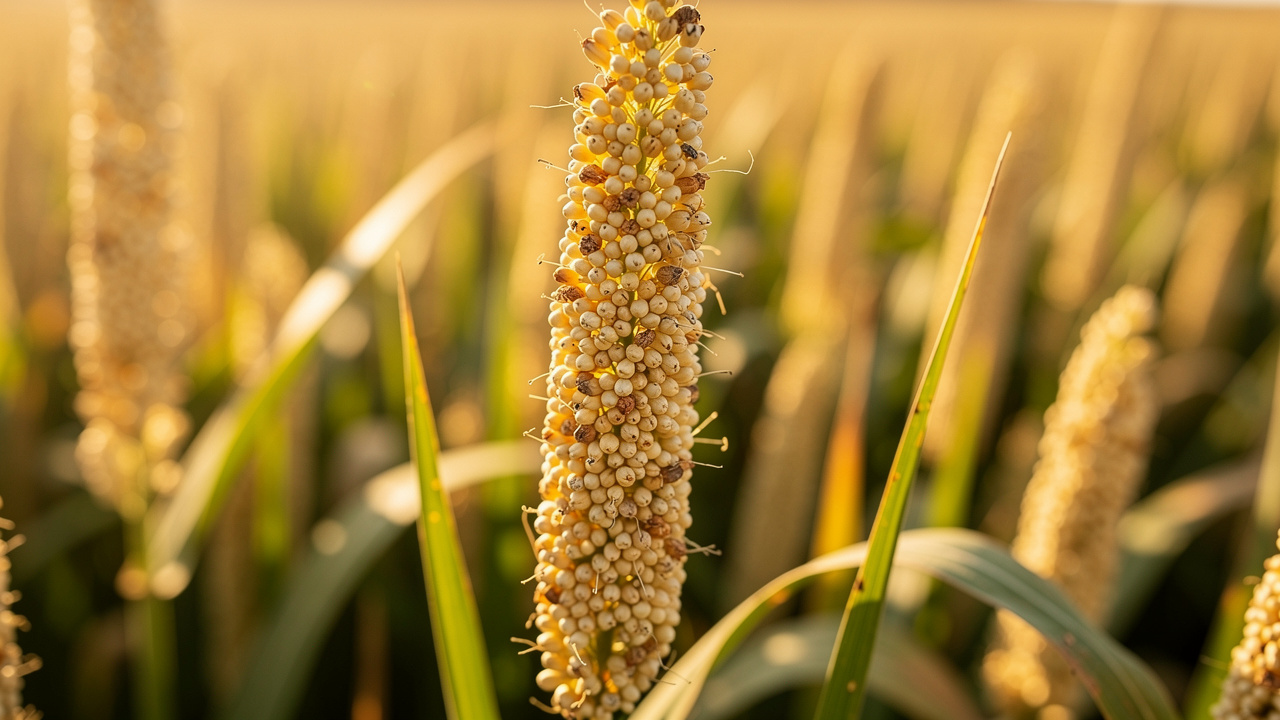
Pearl millet is a type of millet with the scientific names Cenchrus americanus and Pennisetum glaucum. It is the most widely grown millet in the world and an important staple for millions of people. Farmers grow this tall grass mainly for its grain, which we know as bajra, and also for animal feed.
The pearl millet plant looks like a sturdy, upright grass. It can grow from about half a meter to four meters tall, often with several stems rising from one base. It is a summer annual crop, which means it grows and finishes within one warm season. Pearl millet thrives in places where many other grains, like wheat or maize, struggle because of heat, low rainfall, or poor soil.
The grain of pearl millet is larger than other millets. Each small kernel is about three to four millimeters long. Colors can range from almost white to pale yellow, brown, gray, slate blue, or even purple. The grains also vary in shape, from round and globular to more hexagonal or oval. When many grains sit together on the head of the plant, they look like strings of tiny pearls, which is how the name “pearl millet” came about.
Across India, this same pearl millet grain carries different names that feel very local and familiar. In North India it is known as bajra in Hindi, Punjabi, and Rajasthani kitchens. In Tamil Nadu it appears as kambu, often in cooling summer drinks and porridges. In Karnataka it is called sajje and shows up in rustic rotis. Internationally, people may call it bulrush millet or pearl millet grain, but it is the same crop.
Pearl millet began in Africa, especially in the Sahel zone of West Africa, where ancient farmers domesticated it thousands of years ago. Later it traveled to the Indian subcontinent, likely between 1500 and 1100 BCE, through old trade routes. Today India is the largest producer of pearl millet in the world, with Rajasthan at the top among Indian states. Since the 1960s, plant breeders have also developed hybrid varieties such as HB1 to improve yield, which helps make this ancient grain more available and affordable. Because of this resilience, many agronomists now describe pearl millet as a climate-smart cereal that can support food security in dry regions.
The Nutritional Powerhouse – Pearl Millet Nutrition Facts
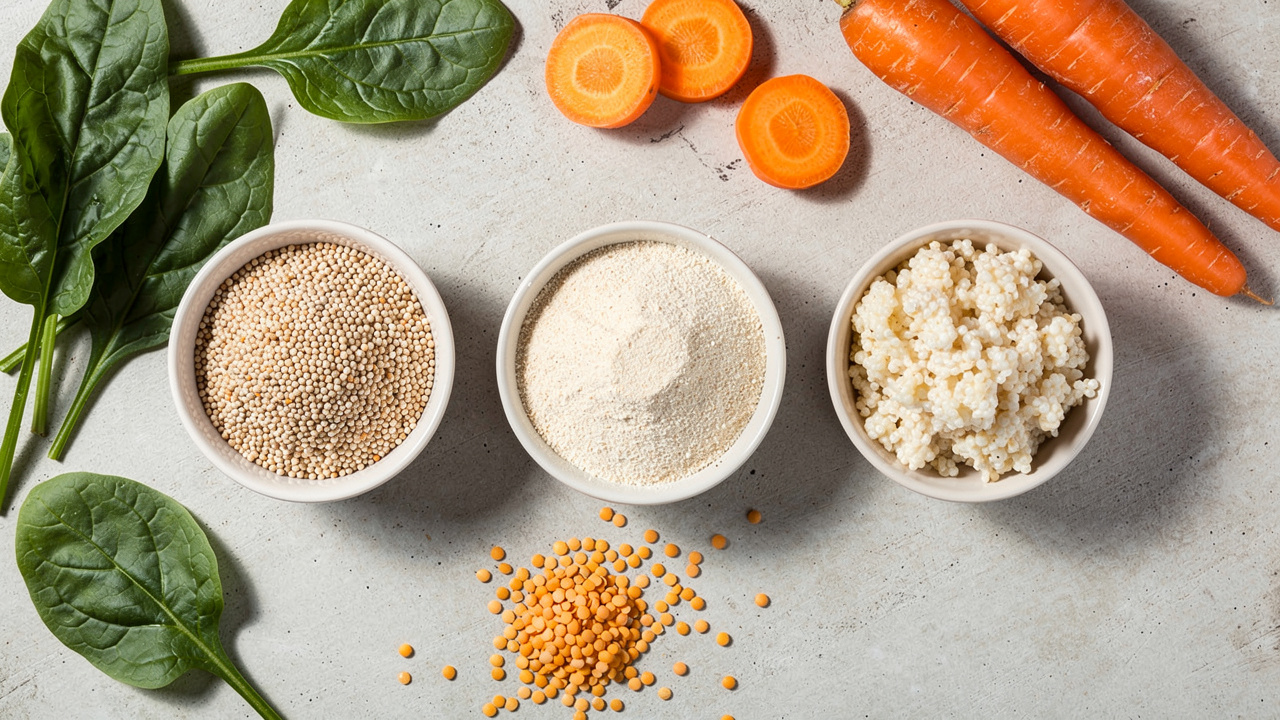
Pearl Millet Nutritional Composition
Pearl millet is often called a nutrient-dense grain, and for good reason. When experts measure its nutrients on a dry basis, they find more protein, more healthy fat, and plenty of fiber compared to many common cereals. This makes pearl millet a strong base for meals rather than just a side dish.
Here is a simple view of its core nutrients from one studied variety called Changara:
| Nutrient | Approximate Content (dry basis) |
|---|---|
| Protein | 12.8 percent |
| Fat | 6.0 percent |
| Total dietary fiber | 7.1 percent |
| Ash | 1.2 percent |
That ash value may sound odd, but it simply reflects minerals in the grain. Pearl millet carries useful amounts of iron, magnesium, phosphorus, and zinc. These minerals support oxygen transport in blood, strong bones, muscle function, and immunity. The grain also shows a wide range of seed size, where one thousand grains can weigh anywhere between 2.5 and 14 grams, with an average of about 8 grams. This variation hints at rich genetic diversity within pearl millet.
It is important to remember that pearl millet nutrition is not fixed like a printed label. Soil quality, rainfall, temperature, and the exact variety all affect the final numbers. Still, across different conditions, pearl millet regularly stands out as a powerful whole grain millet for everyday eating.
“Whole grains like bajra give slow, steady energy that polished grains rarely provide.” — Mekitt research team
What Makes Bajra Stand Out Nutritionally?
Many people want to know why they should pick pearl millet over their usual rice or wheat. Here are some clear reasons:
- Naturally Gluten-Free Grain
Pearl millet does not contain gluten, which makes it a safe option for people with celiac disease or gluten sensitivity. For anyone who feels heavy or bloated after wheat rotis, bajra can be a welcome change and still feels like familiar Indian food. - Higher Protein Than Many Staples
While polished white rice may give only about six to seven percent protein, pearl millet usually offers around twelve to thirteen percent. For vegetarian families, this extra protein supports muscle repair, hormone balance, and steadier energy through the day. The grain also contains more natural fat than rice, but these are mostly healthy fats that burn slowly and help keep energy levels stable. - Rich In Fiber For Better Control
One key millet health benefit comes from fiber. Pearl millet’s fiber content is far higher than that of white rice and refined wheat products. This fiber slows the release of sugar into the blood, supports regular bowel movements, and helps control appetite. It works like a gentle brake on digestion rather than a sharp accelerator. - Iron-Biofortified Options For Anemia Risk
An exciting area is iron-biofortified pearl millet. Breeders use traditional methods, not genetic modification, to create varieties with higher iron content and better iron absorption. Studies show that eating these types of bajra raises iron status, which is especially helpful for women, children, and pregnant mothers who often face anemia.
Compared with a plate of plain white rice that mostly offers quick calories, a serving of bajra brings protein, fiber, minerals, and long-lasting energy in the same bite.
Bajra Health Benefits – Why Your Body Will Thank You
Weight Management and Satiety
For anyone trying to manage weight without extreme diets, pearl millet can be a quiet helper. Its high fiber content adds bulk to meals, so the stomach feels pleasantly full with fewer calories. This feeling of fullness lasts longer, so random snack cravings between meals start to reduce.
The mix of complex carbohydrates, protein, and healthy fat in bajra leads to slower digestion. Instead of a quick spike and crash in energy, the body receives a steady supply over several hours. Some research indicates that including pearl millet regularly as part of a weight loss digestion can support a gradual drop in body fat, especially when paired with daily movement. One simple change, such as a bajra roti or pearl millet upma for breakfast, often keeps people satisfied until lunchtime.
“Think of bajra as the grain that lets you eat fully and still move toward a healthier weight.” — Mekitt Team
At Mekitt, we guide readers to use bajra not as a “diet food” but as a base for satisfying meals. Swapping part of daily wheat or rice with pearl millet, watching portions, and cooking with less oil can create steady progress without harsh rules.
Blood Sugar Balance and Diabetes Management
Pearl millet is often recommended for people with high blood sugar or Type 2 diabetes. It has a lower glycemic index than polished white rice or refined wheat, which means blood sugar rises more slowly after a meal. The rich fiber content further slows the breakdown and absorption of carbohydrates.
This gentler effect on blood sugar can help reduce sudden spikes and dips that leave a person tired and hungry soon after eating. Over time, steady use of low glycemic grains such as bajra may support better insulin response and less fat build-up around the waist. For someone whose fasting sugar readings are creeping up, swapping an evening plate of rice for a comforting bowl of pearl millet khichdi can be a simple yet powerful step.
Helpful habits for people with diabetes include:
- Pairing bajra with dal, vegetables, and healthy fats instead of sugary sides.
- Avoiding heavy amounts of ghee or oil in millet dishes.
- Spreading total carbohydrate intake across the day rather than eating huge portions at once.
Of course, diabetics still need mindful portion sizes and overall meal balance. Consultation with a healthcare provider is wise, but as a grain choice, pearl millet stands out as a friend rather than a threat.
Digestive Health and Gut Wellness
Digestive comfort is one of the first millet health benefits people notice after regular use. Pearl millet carries around seven percent dietary fiber, which helps form soft, bulky stools and supports regular bowel movements. For those who struggle with constipation on a refined-grain-heavy diet, this one change can feel like a big relief.
Beyond regularity, pearl millet works as a gentle prebiotic. The fiber feeds beneficial bacteria in the gut, which play a big role in immunity, mood, and nutrient absorption. When digestion slows slightly, the intestines also get more time to pull nutrients from food before waste leaves the body.
Some people worry about antinutrients such as phytic acid in whole grains, including bajra. At Mekitt, we address this by showing how simple methods like soaking, sprouting, or fermenting batter reduce these compounds. These steps help minerals like iron and zinc soaked millets and make pearl millet much easier on sensitive stomachs. If you are new to high-fiber grains, drinking enough water and increasing portions slowly often prevents gas or bloating.
Heart Health and Chronic Disease Prevention
Pearl millet also supports heart health when it replaces refined grains and deep-fried foods. The fiber in bajra can bind to cholesterol in the gut and help lower levels of LDL, often called “bad” cholesterol. This, in turn, may reduce the build-up of fatty deposits in blood vessels over time.
Minerals like magnesium and potassium, naturally present in pearl millet, support relaxed blood vessels and healthy blood pressure. The grain also contains plant compounds with antioxidant properties that help the body manage oxidative stress and low-grade inflammation. These factors link closely with conditions such as heart disease, stroke, and metabolic syndrome.
Traditional Indian diets that featured millets, pulses, vegetables, and ghee in moderate amounts were once linked with lower rates of lifestyle diseases. When families bring back grains like bajra in place of instant noodles or constant refined flour snacks, they are not “following a trend.” They are returning to a pattern that modern science now supports with clear data.
“Grains like bajra quietly support the heart when they take the place of sugary or highly refined foods.” — Mekitt Team
Pearl Millet Uses – From Kitchen to Farm
Traditional Indian Culinary Uses
Pearl millet sits at the heart of many regional Indian dishes, though it often hides behind familiar names like bajra or kambu. Each region shapes this grain into comfort foods that match its climate and culture. Bringing these ideas into a modern kitchen can feel both nostalgic and fresh.
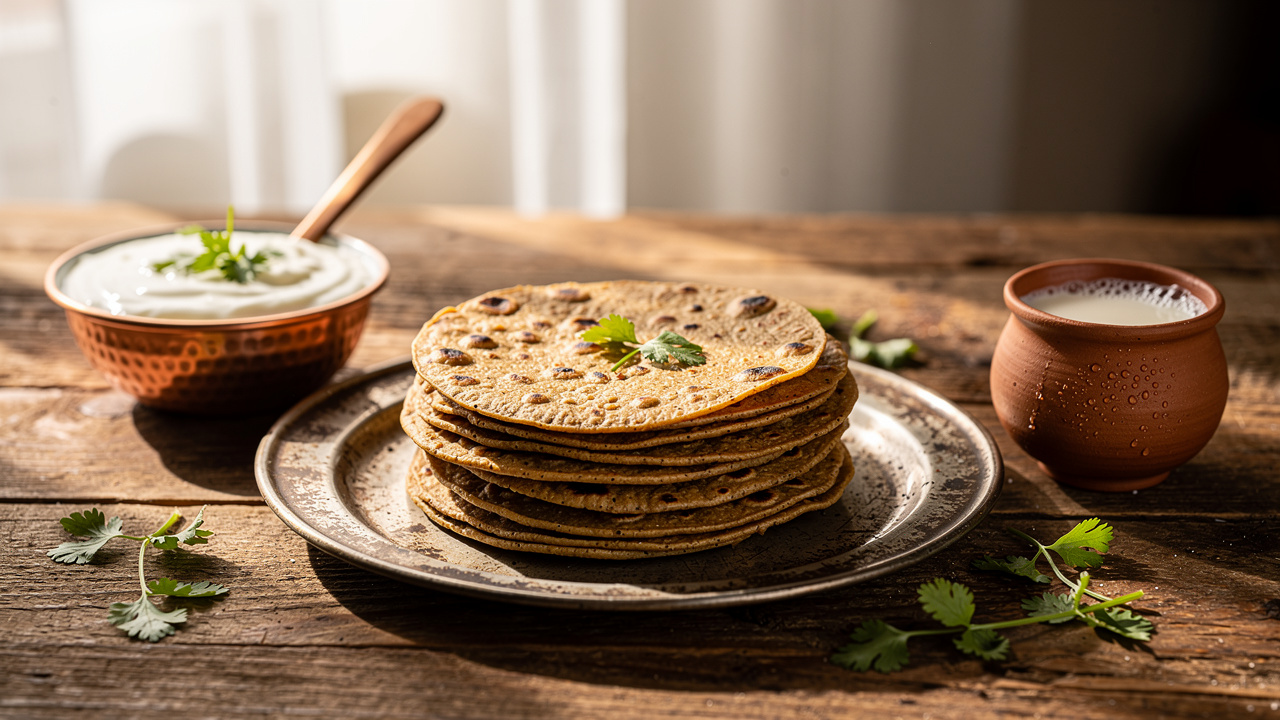
In North India, bajra is famous for hearty rotis and bhakris. These flatbreads pair beautifully with kadhi, mixed vegetable sabzis, or a simple bowl of curd and pickle. In Rajasthan, cooks also prepare dishes such as tangy bajre ki khatti rabdi with bajra flour and yogurt, a classic winter food that feels satisfying and grounding on cold evenings.
Karnataka homes know this grain as sajje. Here, sajje rotti holds a special place at the table, often served with yennagai, a rich stuffed brinjal curry, along with cooling yogurt. These meals suit the semi-arid climate and give slow, steady energy for long workdays.
In Tamil Nadu, kambu millet shows up in summer-friendly dishes. Kamban koozh or kamban choru is a popular porridge or gruel made from cooked pearl millet mixed with buttermilk. It cools the body and hydrates after hot days. Kambu also blends into dosa and idli batter, offering fermented, gut-friendly versions of classic South Indian staples.
At Mekitt, we take these traditional ideas and adapt them for busy kitchens. We share clear recipes for quick millet porridge, bajra upma, pulao, and khichdi, plus tips on making soft, non-crumbly bajra rotis. We also explain how to replace about twenty to thirty percent of wheat flour with bajra flour in common baking, so even regular chapatis, parathas, or muffins can quietly gain more nutrition. Before the Green Revolution favored wheat and rice, these kinds of dishes were daily food, not “special health meals.” Families are now rediscovering that they still fit modern tastes.
Agricultural and Livestock Applications
Pearl millet is more than a healthy millet cultivation for people. It is also a strong partner for farmers who face harsh weather and poor soil. New study on pearl millet reveals that the plant can handle long dry spells, intense heat, low soil fertility, and even salty or acidic ground, making it valuable for climate-resilient agriculture. In many areas where wheat or maize fails, the hardy bajra crop still gives a dependable harvest.
On farms with animals, hybrid pearl millet varieties serve as valuable forage. When cut at around two to three feet tall, just before the seed head pushes out, the plants make good hay. Farmers also graze cattle or sheep on pearl millet stands once the plants reach about two feet in height. One important safety point is that pearl millet does not produce prussic acid, which can harm animals like horses when eaten from other grasses such as some sorghum types. However, it can build up high nitrates under stress, so testing the forage before feeding is a smart step.
Pearl millet works well as a summer cover crop between main crops. It grows fast, shades out weeds, and its roots help hold soil in place during heavy rains. When farmers plow the leftover plant material back into the field, soil texture and organic matter improve over time. In some regions, people also plant pearl millet for wildlife food plots, since many ground-feeding birds, including quail and doves, are drawn to its grain.
A quick overview of how pearl millet serves both fields and kitchens:
| Use Case | Benefit Of Pearl Millet |
|---|---|
| Human food | Nutritious whole grain meals |
| Animal fodder | Safe, high-yield forage and hay |
| Cover cropping | Weed control and soil protection |
From a sustainability angle, pearl millet uses far less water than paddy cultivation. Shifting even part of a field or household consumption from rice to bajra supports long-term water security. So when someone chooses a pearl millet grain dish for dinner, they are supporting both personal health and farming systems that respect limited natural resources.
How to Cook Pearl Millet – Practical Kitchen Guide
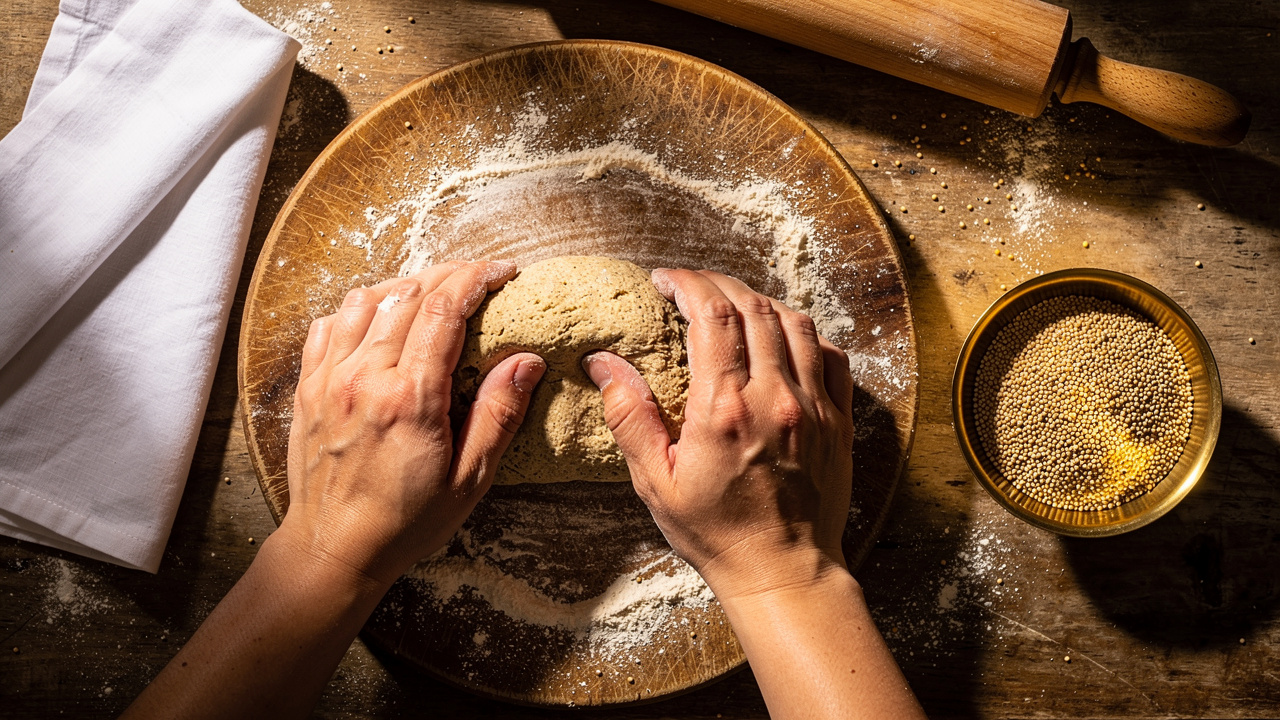
One common fear about pearl millet is that it is hard to cook or will turn out gritty. The truth is that with a few simple steps, it behaves much like brown rice or other whole grains. Once basic ratios and timings become familiar, it fits smoothly into weekday cooking.
Start by sorting and rinsing the grains. Spread the pearl millet on a plate to remove any small stones or husk pieces. Then wash it under running water until the water runs mostly clear. This quick cleaning step makes a big difference to both taste and texture.
Soaking comes next and is highly recommended. Cover the rinsed pearl millet with plenty of water and leave it for four to eight hours or overnight. Soaking softens the grain, cuts cooking time, improves digestion, and reduces antinutrients such as phytic acid. Some cooks also like to lightly dry-roast the soaked and drained grains in a pan for a few minutes, which adds a deep, nutty flavor.
For actual cooking, several methods work well:
- Stovetop Pressure Cooker
Combine one cup of soaked pearl millet with about two and a half to three cups of water. Cook on medium heat for three to four whistles and let the pressure release on its own. This gives soft but separate grains that work well in khichdi or pulao. - Rice Cooker
Use a similar ratio of one cup millet to two and a half cups water. Select the brown rice setting if the machine has one, since pearl millet behaves more like brown rice than white. Allow the cooker to switch to warm mode and sit for a few minutes before opening the lid. - Instant Pot
Use one cup of soaked pearl millet with about two cups of water. Cook on high pressure for about ten minutes, then let the pressure drop naturally for another ten minutes before opening. This method is handy when cooking other dishes side by side. - Simple Saucepan Method
Take one cup of pearl millet and about three cups of water. Bring everything to a boil, reduce the heat, cover with a lid, and simmer for twenty-five to thirty minutes. Check towards the end and add a splash of hot water if the pot looks too dry.
For the best texture, allow cooked pearl millet to rest with the lid on for five to ten minutes, then fluff it gently with a fork. If the grains feel too firm, add a tiny bit more water next time. If they seem mushy, reduce the water slightly.
Flavorings also help. Cooking the grain with a bay leaf, a small piece of cinnamon, or a cardamom pod gives a gentle aroma. For Indian-style dishes, tempering with cumin seeds, curry leaves, or ginger in a spoon of ghee or oil before adding the cooked grain works beautifully.
Mekitt offers step-by-step guides for these methods, including exact water ratios for different dishes like porridge, pulao, or salads. We also share tips on gradual family introduction, such as starting with a half-and-half mix of pearl millet and rice so that taste buds adjust smoothly. Cooked pearl millet keeps well in the fridge for four to five days and can be frozen in small portions for quick, healthy weekday meals.
Pearl Millet Recipes – Easy Ways to Start
Knowing that pearl millet is healthy is one thing. Putting it on the plate in a way that everyone enjoys is another. The good news is that simple, familiar dishes adapt very well to this grain, so there is no need for fancy ingredients or long hours in the kitchen.
- Breakfast Ideas
A creamy bajra porridge is a gentle entry point. Cook pearl millet with water and a little milk until soft, then sweeten lightly with jaggery or honey and top with nuts and fruit. On days when savory flavors feel better, make a pearl millet upma by cooking the grains with onions, vegetables, mustard seeds, and curry leaves in place of semolina. Fermented batters for bajra dosa or idli give even better digestibility and bring a pleasant tang. - Lunch And Dinner Dishes
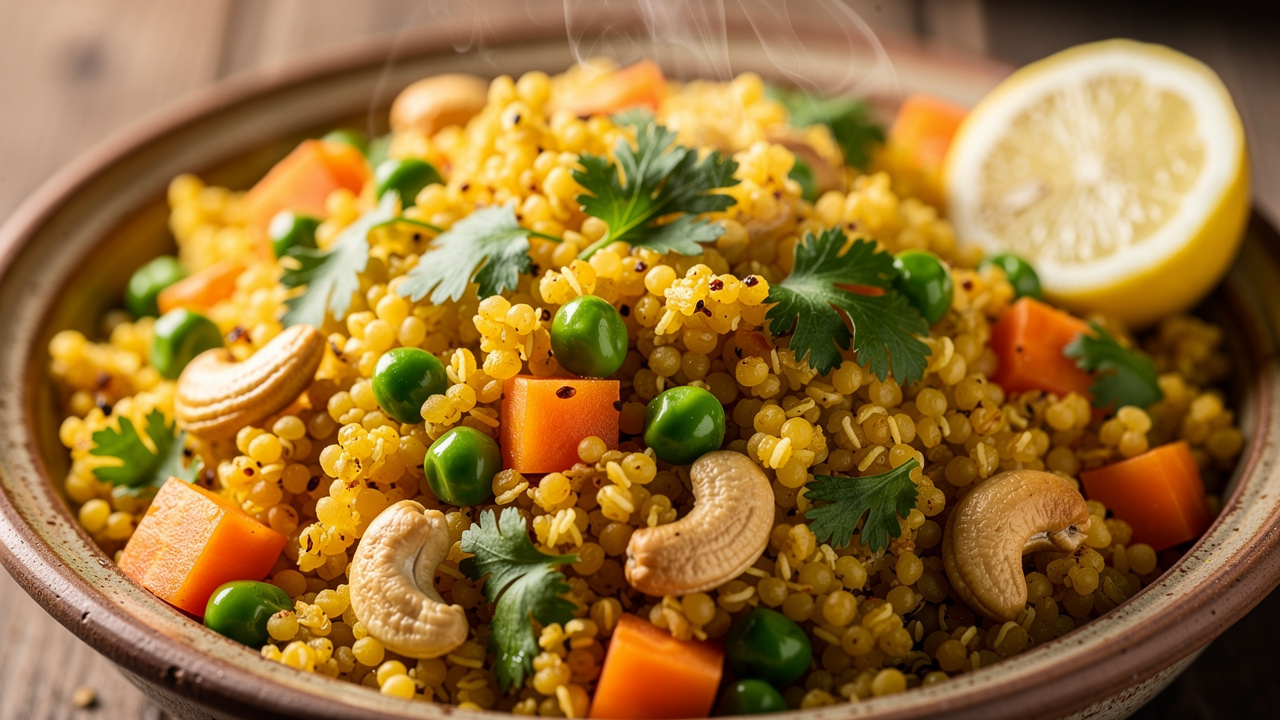
Pearl millet khichdi is comfort food with more staying power than plain rice versions. Combine cooked millet with moong dal, vegetables such as carrots and beans, and mild spices for a one-pot meal. Bajra pulao works much like rice pulao, with whole spices, peas, and cashews for texture. Classic bajra rotis remain a favorite, and Mekitt offers detailed tips to keep them soft and pliable rather than dry and crumbly. - Snacks And Sides
Bajra flour can join batter for pakoras or chillas to boost fiber without changing taste too much. Puffed pearl millet, similar to puffed rice, makes a light, crunchy base for bhel-style snacks. Mixing bajra flour with types of millets in homemade bread or traditional bhakris offers another simple way to increase variety. - Baking With Bajra Flour
Replacing about twenty to thirty percent of all-purpose flour with bajra flour in pancakes, muffins, or banana bread adds nutrition without shocking the palate. The mild nutty note of pearl millet pairs especially well with chocolate, coffee, and warm spices. Parents often find that kids accept these dishes easily when they look and feel like familiar treats.
Mekitt gathers these pearl millet recipes in one place, with photos and detailed steps so that even new cooks feel confident. A gentle way to start is to pick just one meal each week, perhaps a Sunday breakfast porridge or a midweek bajra khichdi, and see how the body and family respond.