
Blog
Your blog category
-
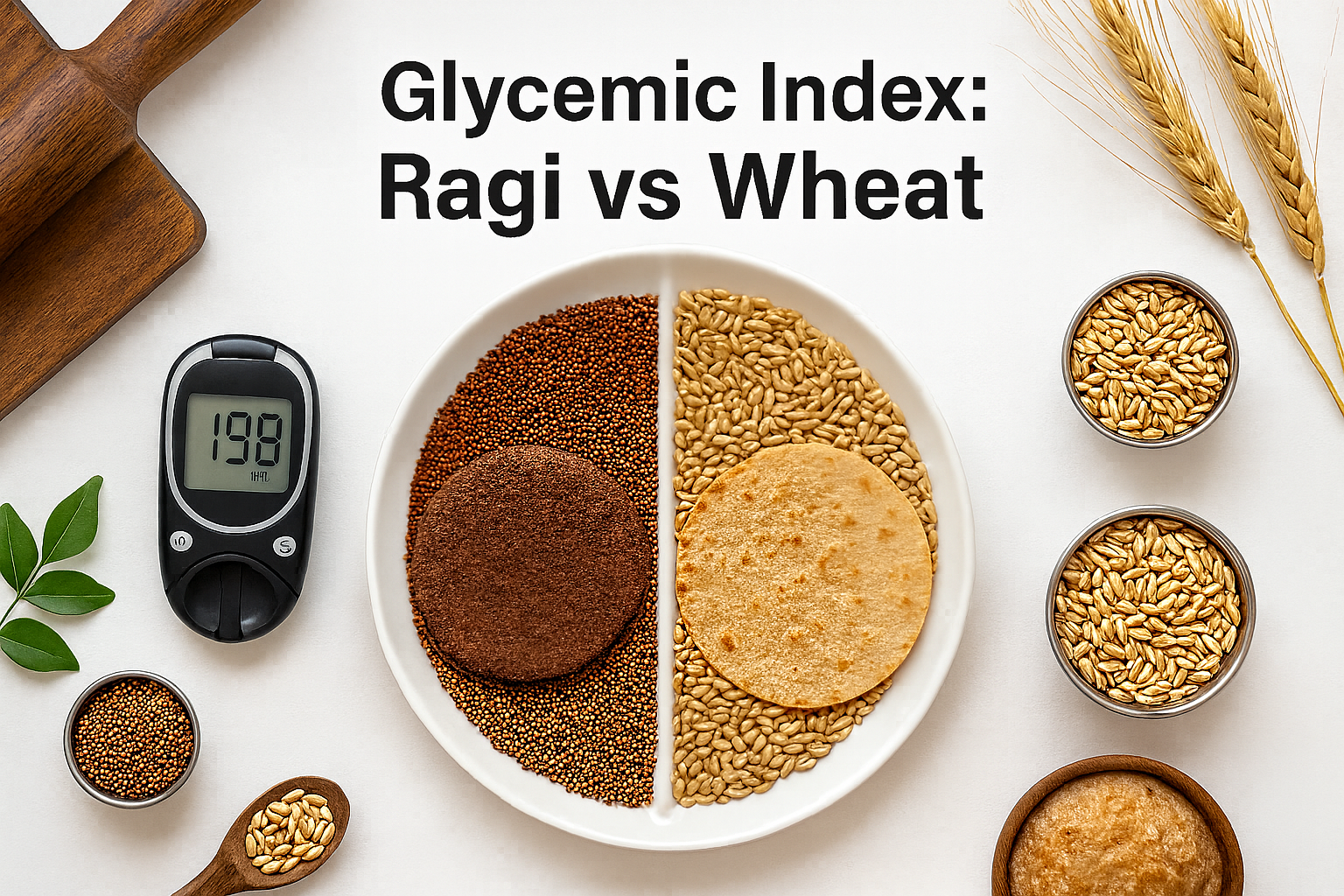
Glycemic Index of Ragi vs Wheat for Healthy Indian Eating
People across India speak a lot about grains. Every home has its own food habits and old family opinions. Someone says eat chapati for best energy, someone else in the room says try ragi for better sugar balance. Many folks feel stuck figuring which grain gives better control on blood glucose. People dealing with diabetes
-
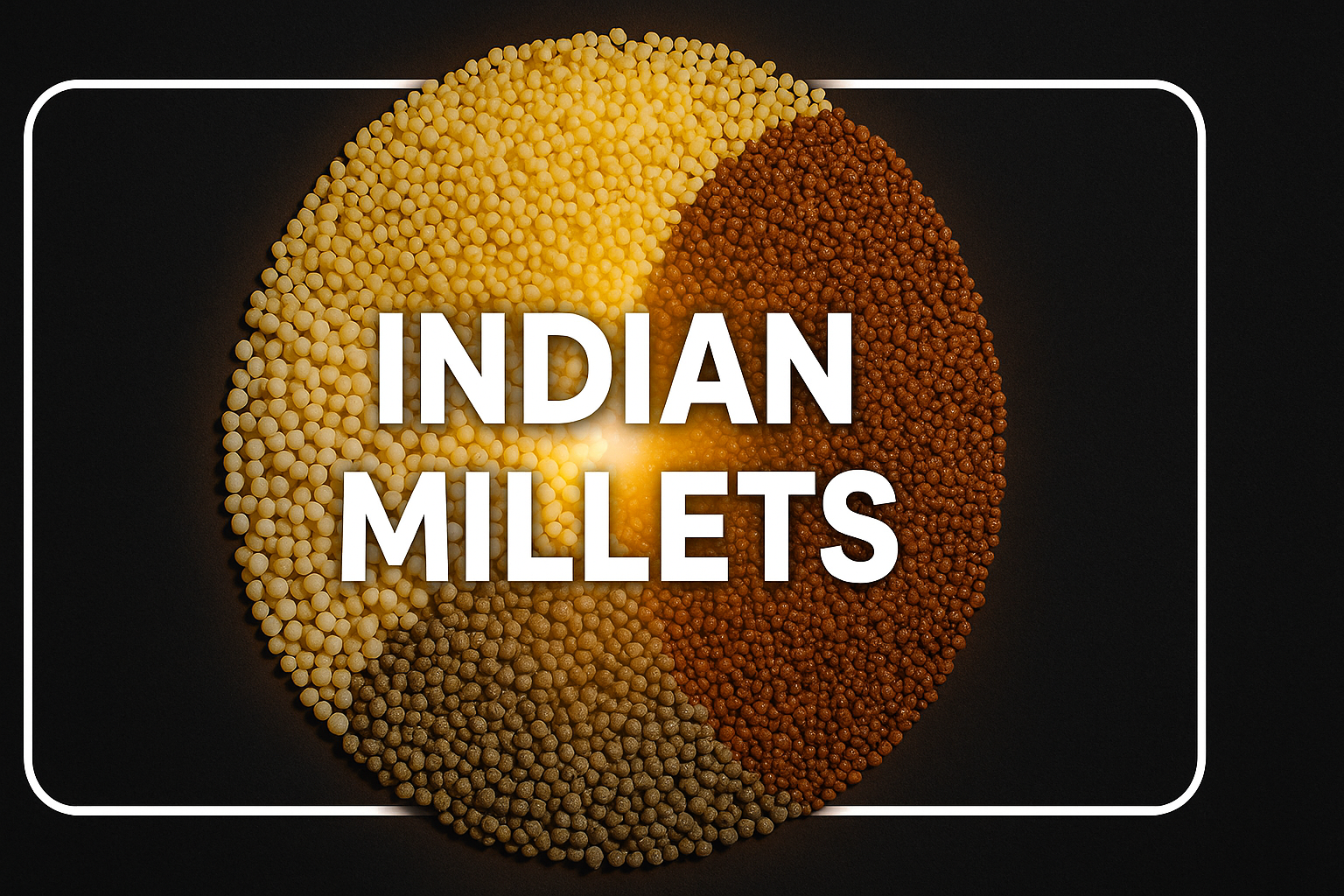
9 Types of Millets Used in India With Notable Health Advantages
Millets come in many forms, colors, and shapes. Each one holds its own kind of strength. People pick them based on what their tummy handles or what flavor they like. Some grains pop a bit, some stay soft, some taste mildly sweet. These lil seeds bring fiber, minerals, and slow-digesting carbs that help folks handle
-
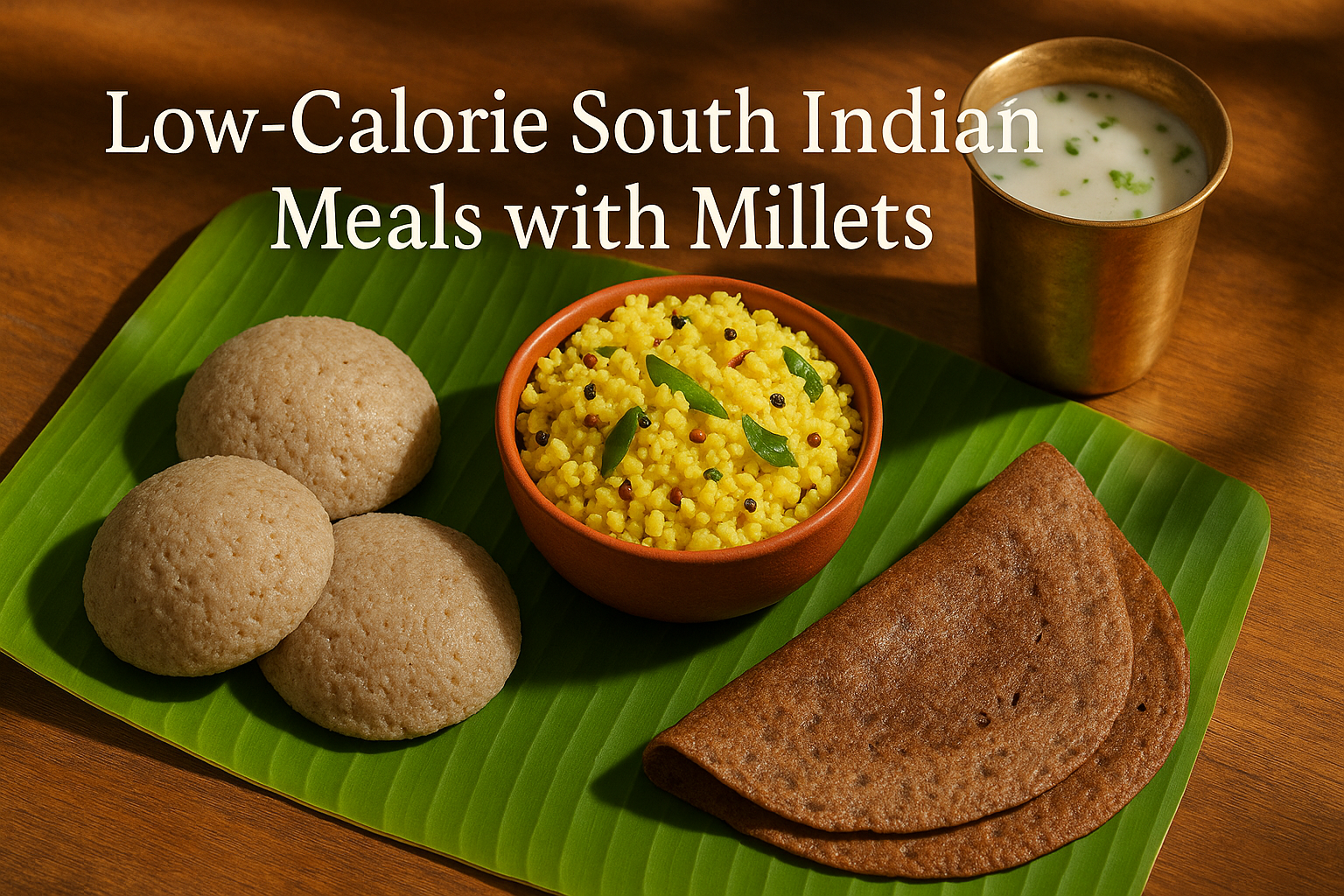
Low-Calorie South Indian Meals Made with Millets
In homes across South India, millets are slowly stealing the show. These ancient grains that our grandparents were so familiar with are enjoying renewed popularity, and more and more people are replacing rice and refined grains for these particular nutrient-dense whole grains. They’re not only low-calorie; they’re gut-friendly, fiber-rich and nutrient-dense, perfect for the modern Indian plate. Millets
-
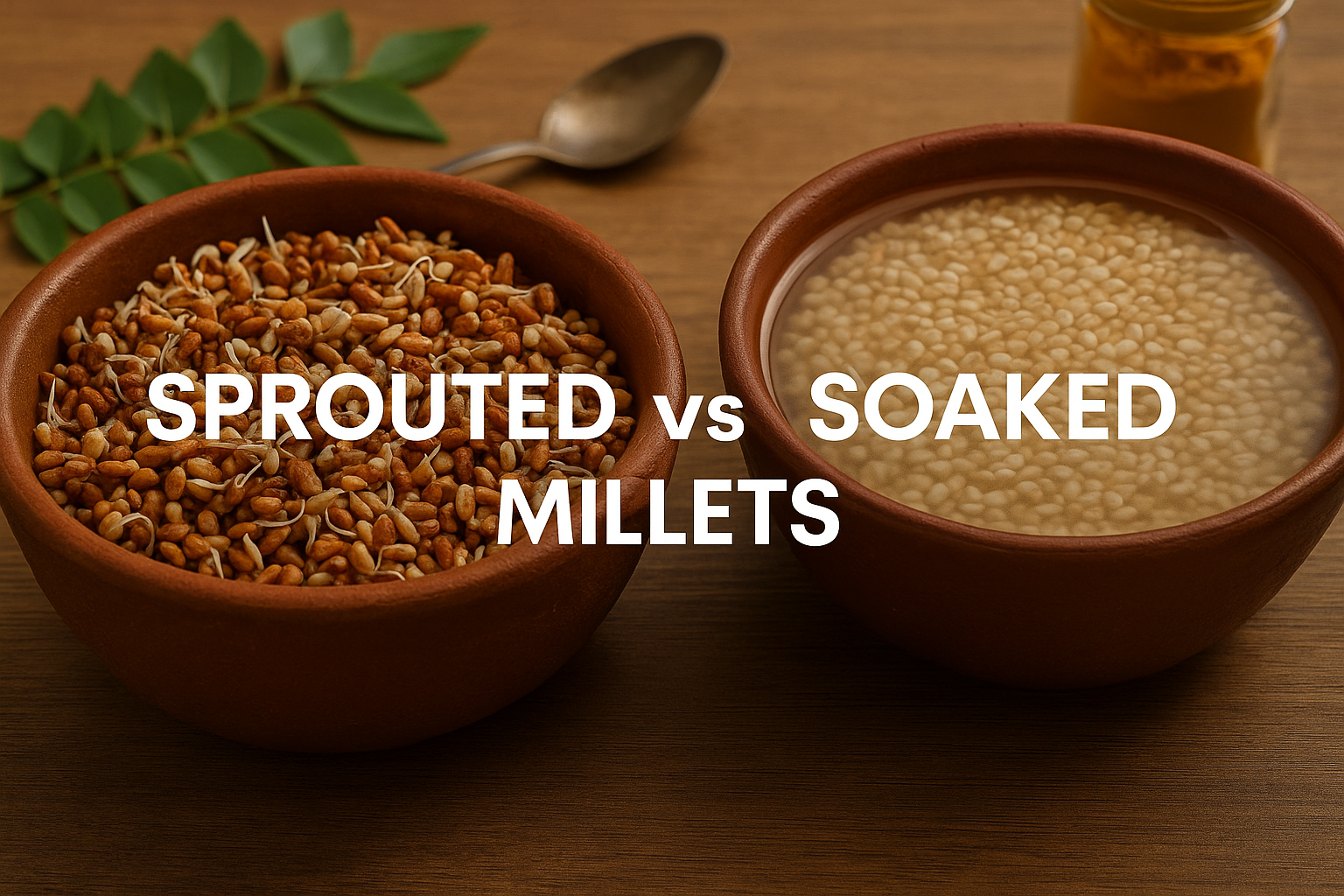
Sprouted Millets vs. Soaked Millets: Which Is Better for You?
Millets have made a strong comeback in Indian kitchens lately. From busy office folks to fitness lovers, everyone’s curious about sprouted millets and soaked millets. Both methods change how your body uses the nutrients inside these tiny grains. Indian grandmothers always had their tricks — soaking bajra before grinding or sprouting ragi for kids’ porridge.
-
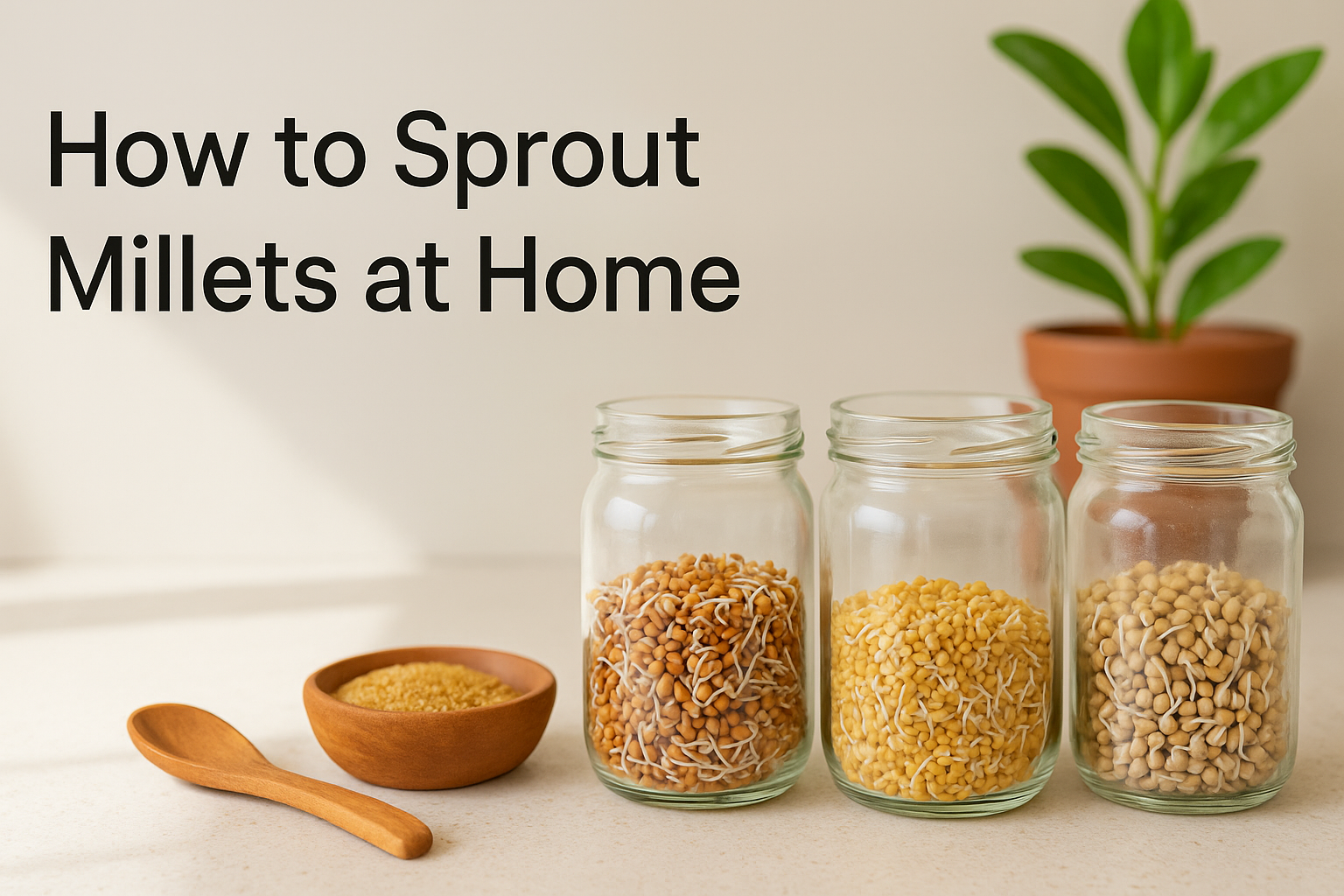
How to Sprout Millets at Home for Maximum Nutrition?
Sprouting millets at home is a small kitchen habit that can bring a big shift in health. In India, millets like ragi, bajra, and foxtail millet are already loved for their earthy taste and strong nutrition value. When they’re sprouted, their nutrients get a boost — vitamins increase, digestion improves, and the texture becomes softer.
-
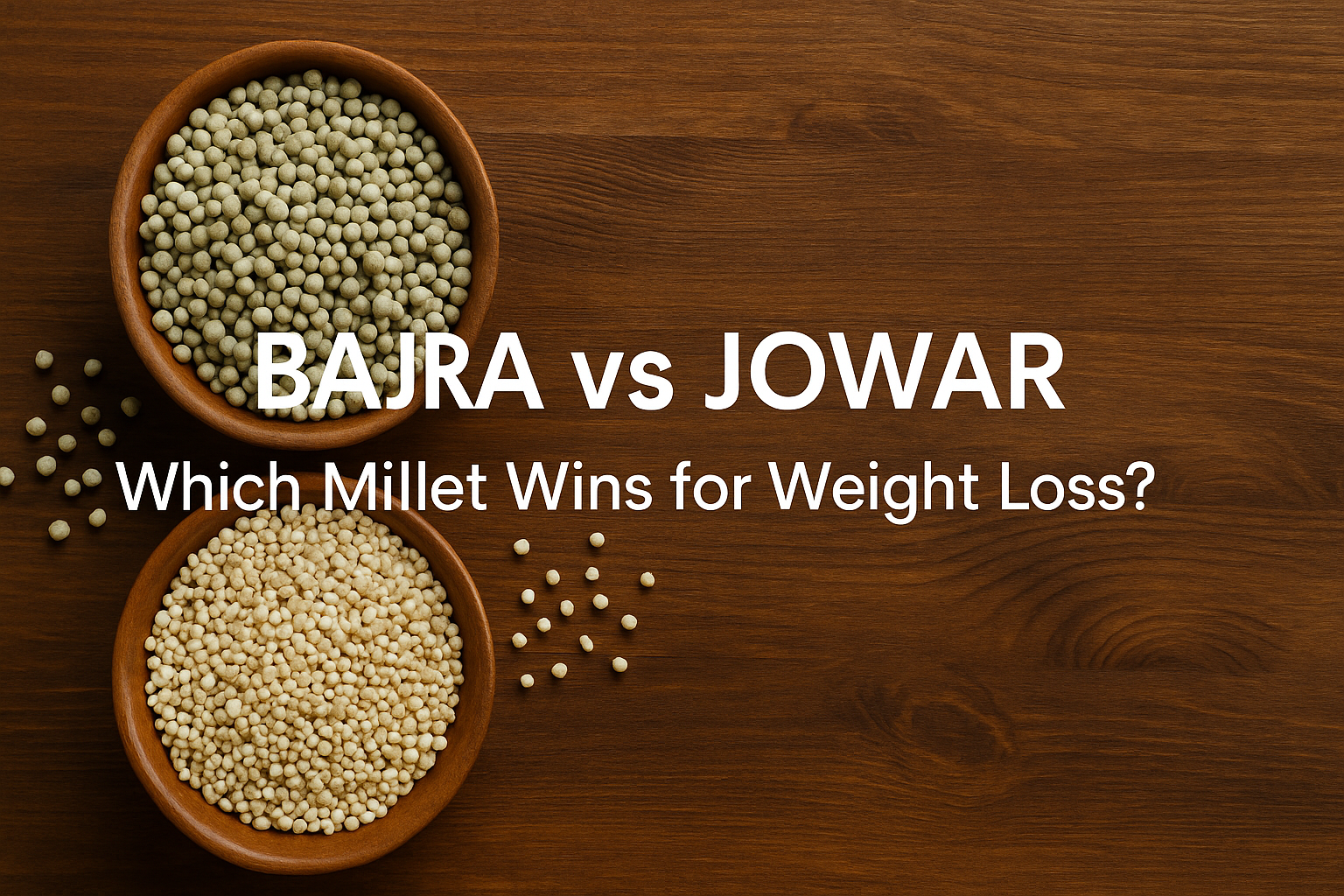
Bajra or Jowar: Whish is best for Weight Loss in India?
Health goals are changing fast in India. People want food that’s real, local, and helps shed that extra fat without feeling starved all the time. That’s where millets like Jowar (sorghum) and Bajra (pearl millet) walk in proudly. These grains have been part of Indian plates for centuries, especially in rural kitchens. Funny how city
-
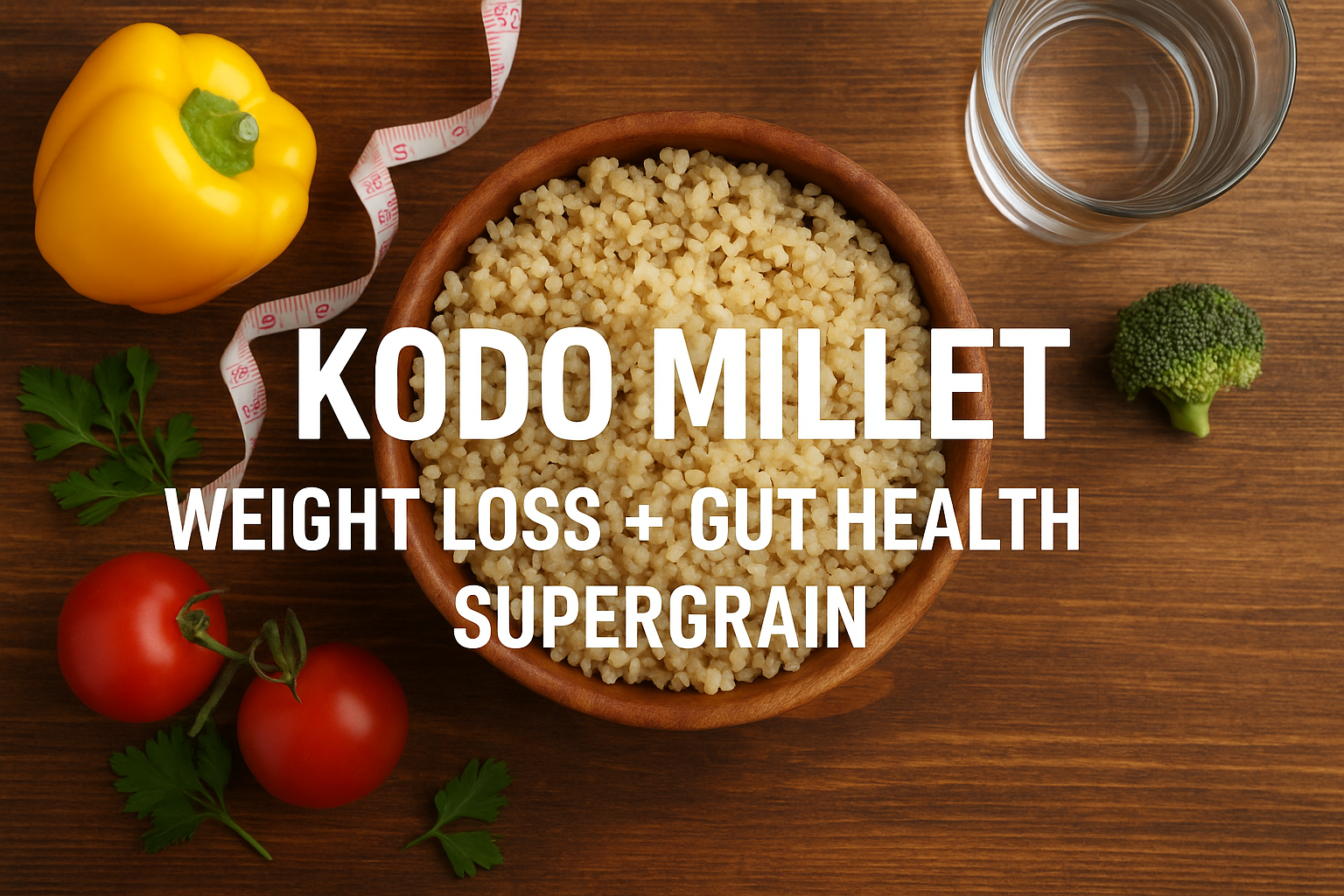
Why Kodo Millet Should Be on Every Indian Plate for Better Health
Kodo millet — known as Varagu in Tamil and Kodon in Hindi — is an old grain that’s making a quiet comeback to Indian kitchens. Folks from small villages to metro cities are giving it a second look. It’s light on the tummy, gluten-free, and full of fiber, which makes it kinda perfect for the