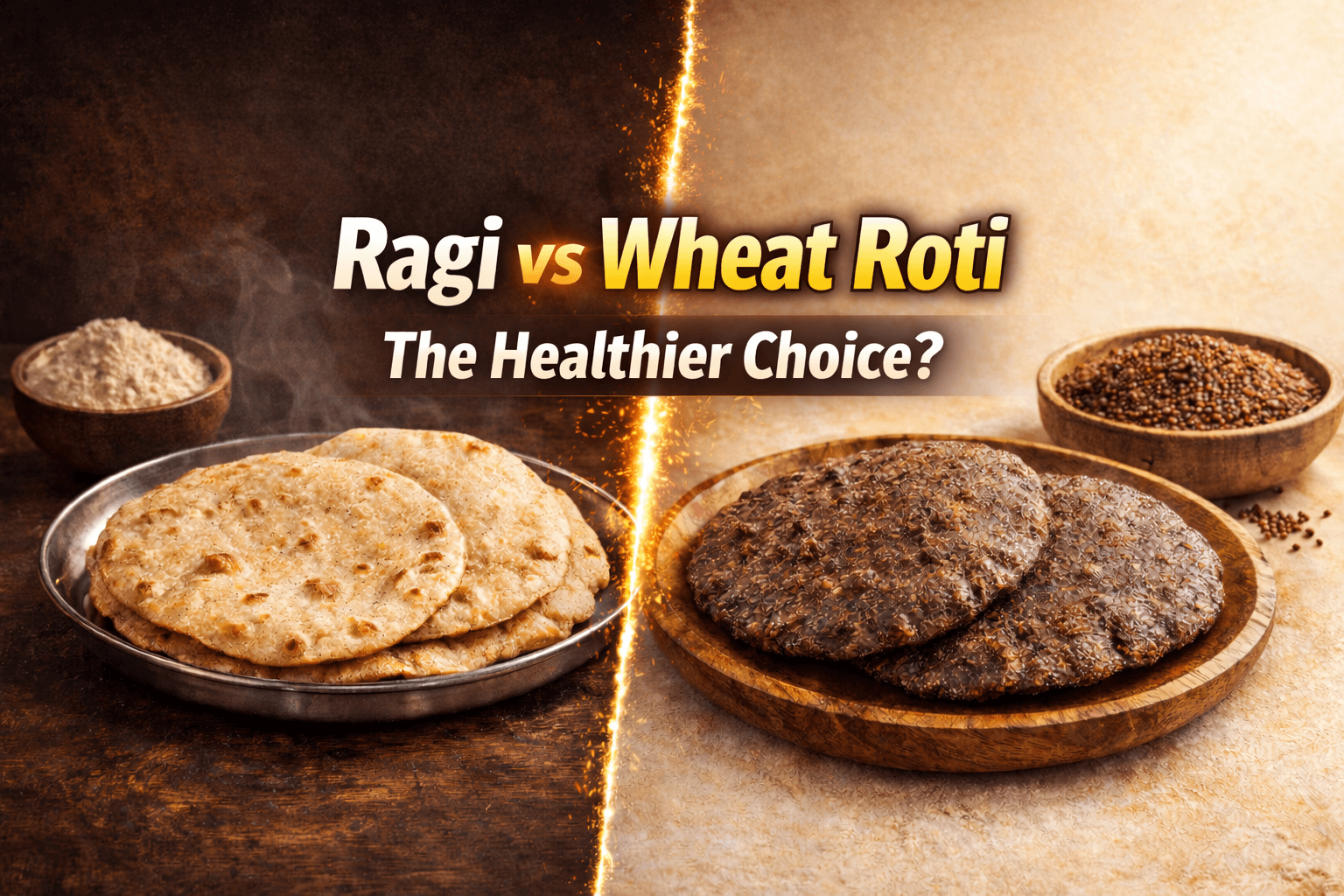
What if you are standing in the grocery aisle, one hand on the familiar bag of wheat atta and the other on a packet of ragi flour that everyone on social media and in the apartment WhatsApp group keeps praising. The label talks about calcium, fiber, and weight loss, while wheat feels like home on the plate. The question “Ragi Vs Wheat Roti: Which Is Better For Weight Loss And Diabetes?” suddenly feels a lot bigger than one shopping decision.
This confusion shows up in many homes. Some nutrition posts say wheat is the villain and ragi is the superhero. Others warn that ragi can spike blood sugar more than rice if used in the wrong way. Add in terms like glycemic index, gluten, and ancient wheat, and it is easy to feel stuck and keep eating the same old rotis without changing anything.
At Mekitt, we focus only on millets and how they fit into real Indian kitchens, so this is one of the questions we hear most often. In this guide, we walk through how ragi and wheat actually compare, how they affect weight loss and diabetes, and when each roti makes sense. By the end, you will have a clear, practical way to choose the right grain for each body, each meal, and each health goal, without giving up taste or family habits.
Key Takeaways
Before going into the details, it helps to see the big picture in a simple way. These points sum up what we explore in the rest of the article and can guide daily choices in the kitchen. Think of them as a quick cheat sheet for the next time the atta shelf starts to feel confusing.
- Ragi stands out for specific health reasons. It is completely gluten free, far richer in calcium than wheat, and has plenty of fiber, so meals feel more filling and kinder to the gut. For many people who want better digestion, bone health, and support with weight loss, this makes ragi roti a strong option.
- Wheat still has solid strengths. It offers more protein than ragi, supports steady energy for workouts and busy workdays, and works beautifully in many Indian dishes from chapati to dalia. When we pick better varieties and avoid heavily processed atta, wheat can remain a helpful part of the plate.
- Ragi and blood sugar are more complicated than social media suggests. Whole, less processed ragi can behave like a moderate glycemic grain, but finely ground ragi used in porridge or thin dosas can raise blood sugar fast. For anyone with diabetes, the form of ragi and the portion size make a big difference.
- Not all wheat is the same. There is a major gap between regular wheat and traditional options such as Khapli (Emmer) wheat. Khapli tends to have a lower glycemic index and a gentler effect on blood sugar, with gluten that many people find easier to digest. For many diabetics, Khapli wheat chapati can be a safer daily staple than both regular wheat and finely ground ragi.
- For weight loss and diabetes, context matters. Ragi helps with satiety and is great for gluten-free needs, while Khapli wheat can be a better choice for stricter blood sugar control. How we cook the grain, how much we eat, and what we pair it with can matter as much as which atta we buy.
What Makes Ragi And Wheat Different? Understanding The Basics
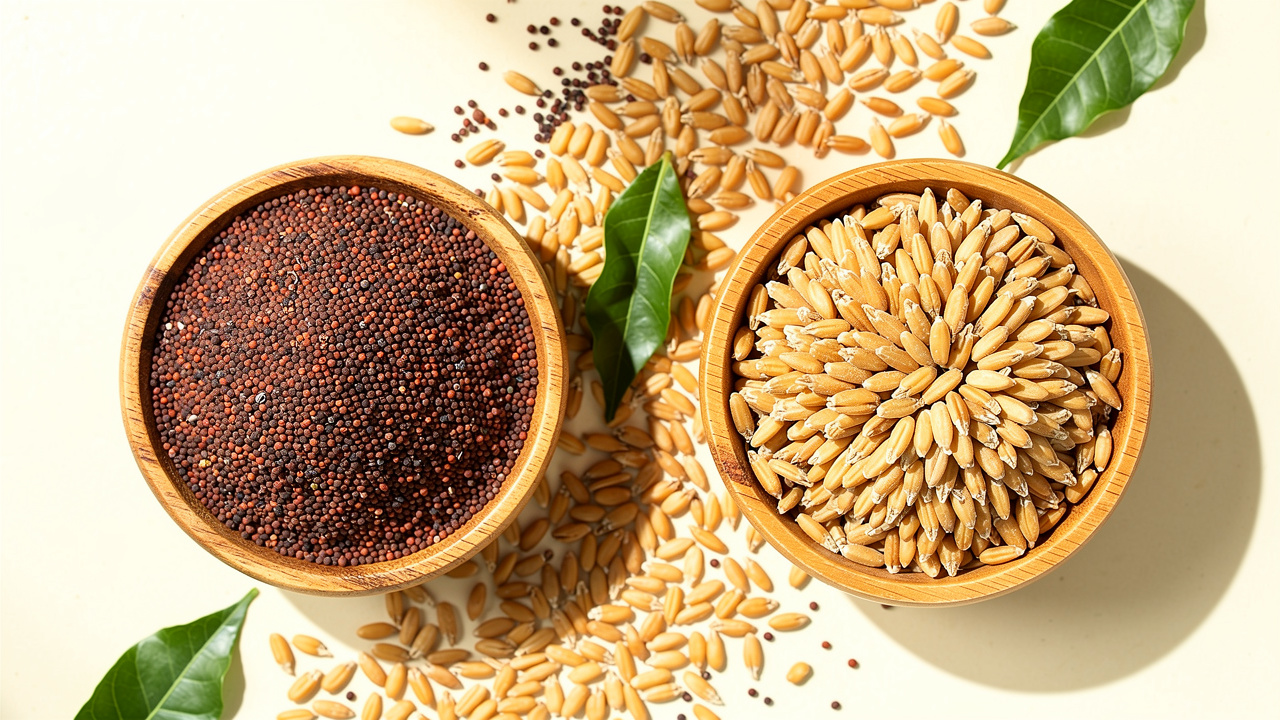
Before choosing a roti for weight loss or diabetes, it helps to know what we are actually putting on the plate. Ragi and wheat may both be grains, but they come from different plant families, taste different, and show up in Indian food traditions in their own ways. Once we see this bigger picture, the later details about nutrients and blood sugar are much easier to follow.
- Ragi (finger millet) is a tiny, round grain that has been grown in parts of India and Africa for hundreds of years. It has a slightly earthy, nutty taste and shows up in traditional dishes such as ragi mudde in Karnataka and ragi porridge in many homes. From a nutrition point of view, ragi is known for being naturally gluten free, rich in calcium and iron, and fairly high in fiber for such a small grain.
- Wheat is one of the most common cereal grains across the globe. In North and West India, it is hard to imagine daily meals without wheat chapati, paratha, or poori. Wheat flour gives dough the stretch and softness most of us grew up eating, thanks to a protein mix called gluten. It brings good energy for the day, offers more protein than ragi, and works in an endless range of recipes, from rotis to bread.
Modern wheat, however, also comes with concerns. Most packaged atta is made from high-yielding wheat varieties that contain a lot of gluten, and heavy refining can remove parts of the grain that carry vitamins and minerals. This is where ragi and wheat begin to part ways in our bodies. Ragi behaves like a gluten-free, alkaline, fiber-rich grain, while wheat acts as a gluten-rich, higher-protein grain that can be either supportive or irritating depending on the person.
Both grains sit at the center of many Indian family meals, whether it is soft phulkas for lunch or ragi dosa for breakfast. The smart move is not to label one as good and the other as bad, but to understand what each one brings to the table so we can match it with our health goals.
The Complete Nutritional Breakdown Of Ragi Vs Wheat Flour
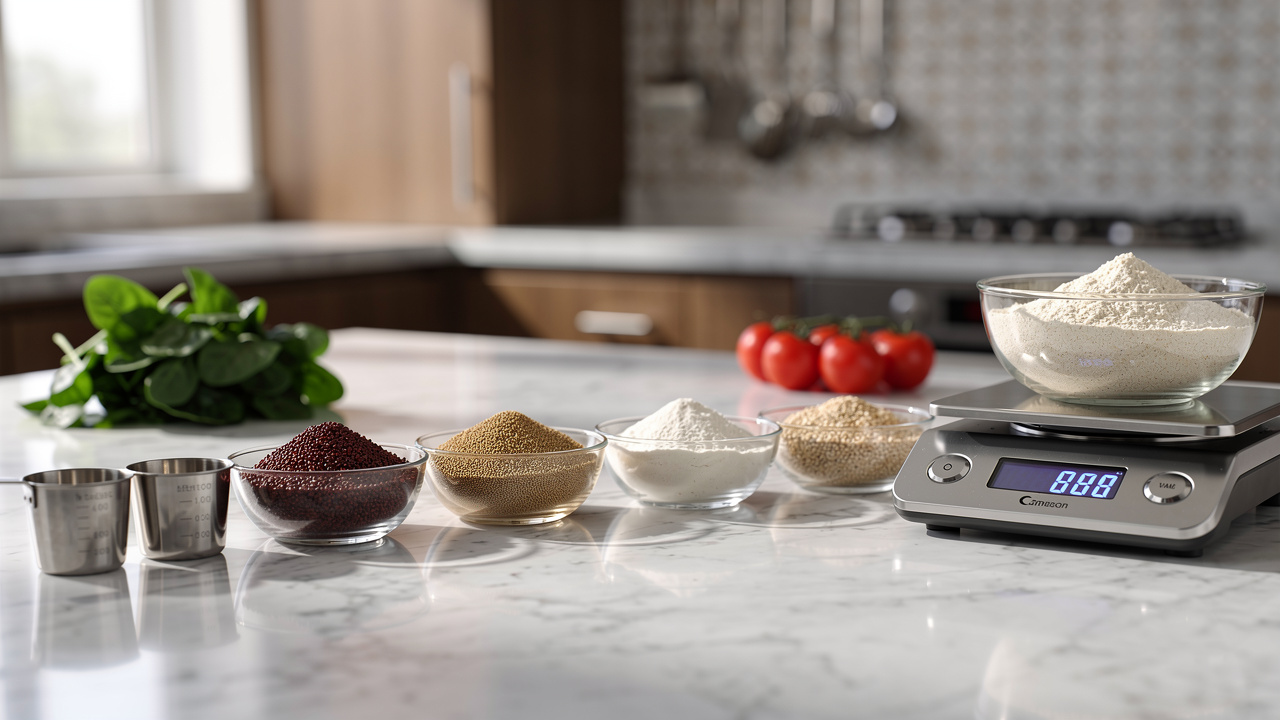
Numbers on a packet can look dry, but they tell a powerful story about how each grain supports the body, and comparative studies on ragi vs jowar vs wheat roti help clarify these nutritional differences. When we compare ragi flour and wheat flour side by side, we notice that they share some similarities yet shine in different areas. This shows how they affect bones, muscles, energy, and digestion.
Here is a simple comparison of approximate values per 100 grams of flour:
| Nutrient | Ragi Flour | Wheat Flour |
|---|---|---|
| Calories | 336 kcal | 346 kcal |
| Carbohydrates | 72 g | 71 g |
| Protein | 7 g | 12 g |
| Dietary Fiber | 11 g | 12 g |
| Calcium | 344 mg | 30 mg |
| Iron | High | Moderate |
| Gluten | None | High |
A few key points stand out:
- Calories: The two grains are almost twins here. Ragi flour and wheat flour sit in the same range, so swapping wheat roti for ragi roti does not magically slash calories. For weight loss, what matters more is how long the meal keeps us full and how it affects cravings later in the day.
- Protein: This is where wheat clearly leads. With around 12 grams per 100 grams, wheat flour supports muscle repair, hormone production, and general strength far more than ragi does. This is especially helpful for anyone who works out, does strength training, or is in a growth phase, such as teenagers. Ragi does contain protein, but in a smaller amount, so it works better when combined with dals, curd, paneer, eggs, or other protein-rich foods.
- Calcium: Here, ragi tells a different story. It is one of the best plant-based calcium sources we have, with more than ten times the calcium of wheat. For children building strong bones, women with higher risk of bone loss, older adults, vegans, and those who do not tolerate dairy well, this number is a big reason to bring ragi into the kitchen. Iron follows a similar pattern, with ragi often providing more support for people who tend to have low hemoglobin.
- Fiber and digestion: Fiber looks quite similar in the table, and both grains give a meaningful amount. Fiber supports digestion, regular bowel movements, and that satisfied, light feeling after eating. Ragi often feels gentler on the stomach, partly because it is gluten free. Wheat’s gluten content gives dough its stretch but can also cause gas and bloating in some people, especially when eaten several times a day.
So from a purely nutritional angle, wheat wins on protein, ragi wins on calcium and often on iron, and both can do a good job for fiber and steady energy. These numbers do not crown a single champion, but they show where each grain can support specific health needs.
The Glycemic Index Reality And What You Need To Know About Blood Sugar
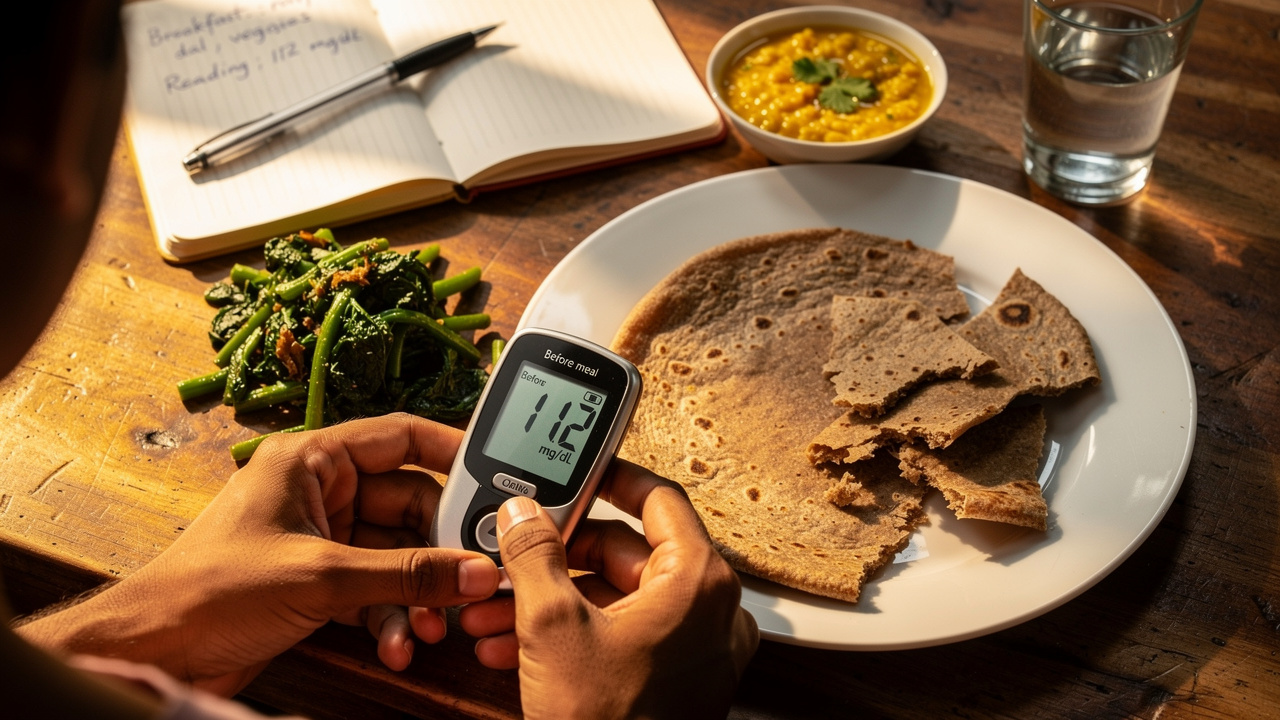
When the focus is weight loss or diabetes, one more piece of the puzzle becomes very important: the glycemic index (GI). The glycemic index is a scale that shows how fast a food raises blood sugar compared with pure glucose. Glycemic load (GL) adds another layer by looking at both the GI and the portion size, closer to how we eat food in real life.
- Low GI foods raise blood sugar slowly. This is helpful for people with diabetes and also for anyone who wants steady energy and fewer snack attacks.
- High GI foods can cause a sharp spike and then a crash, which leaves a person hungry, tired, and more likely to reach for sweets or extra snacks within a short time.
So knowing the GI of our staple roti can really guide our choices.
Ragi is often promoted as a low or moderate GI grain, with values in the range of about 54 to 68 in some studies. This gentler impact is usually linked to its fiber and polyphenols, which can slow down digestion and the release of glucose. Based on this view, many doctors and dietitians have suggested ragi as a better choice than regular wheat or white rice for people with diabetes.
There is another side to the story, and this is where things get confusing. When ragi is finely ground and used in very soft, smooth forms, it seems to behave more like a high GI food. Some research and real-life reports suggest that:
- Ragi porridge can reach a GI close to the mid-eighties
- Ragi roti can reach around the mid-seventies
- Ragi mudde may sit around the mid-sixties
Those values are higher than regular whole wheat chapati in many cases.
Why does this happen? The more finely we grind a grain, the easier it becomes for digestive enzymes to break it down. Smooth ragi flour in a thin dosa or porridge can turn into glucose very quickly once it reaches the gut. In South Indian diabetic groups, some people have noticed their HbA1c levels rise after increasing ragi-based breakfast dishes, which fits with this high GI pattern.
Wheat also varies. Regular whole wheat flour often sits around a GI of about 70, which means it can raise blood sugar fairly fast, especially if the roti is big and paired with a high-carb meal. However, traditional wheat varieties such as Emmer (Khapli or Lal Gehun) tend to have a much lower GI, roughly in the mid-forties to mid-fifties. That places them closer to the safer side for blood sugar control.
“There is no one-size-fits-all eating pattern for people with diabetes.” — American Diabetes Association
What does this mean for daily eating?
- No grain is good or bad without context. How we grind it, cook it, and how much we eat matter a lot.
- People with diabetes do best when they treat GI values as a guide and still test their own response.
- Checking readings one and two hours after a ragi meal or a Khapli chapati meal tells us more about our own body than any chart on the internet.
Ragi Vs Wheat For Weight Loss And Which Roti Keeps You Fuller Longer
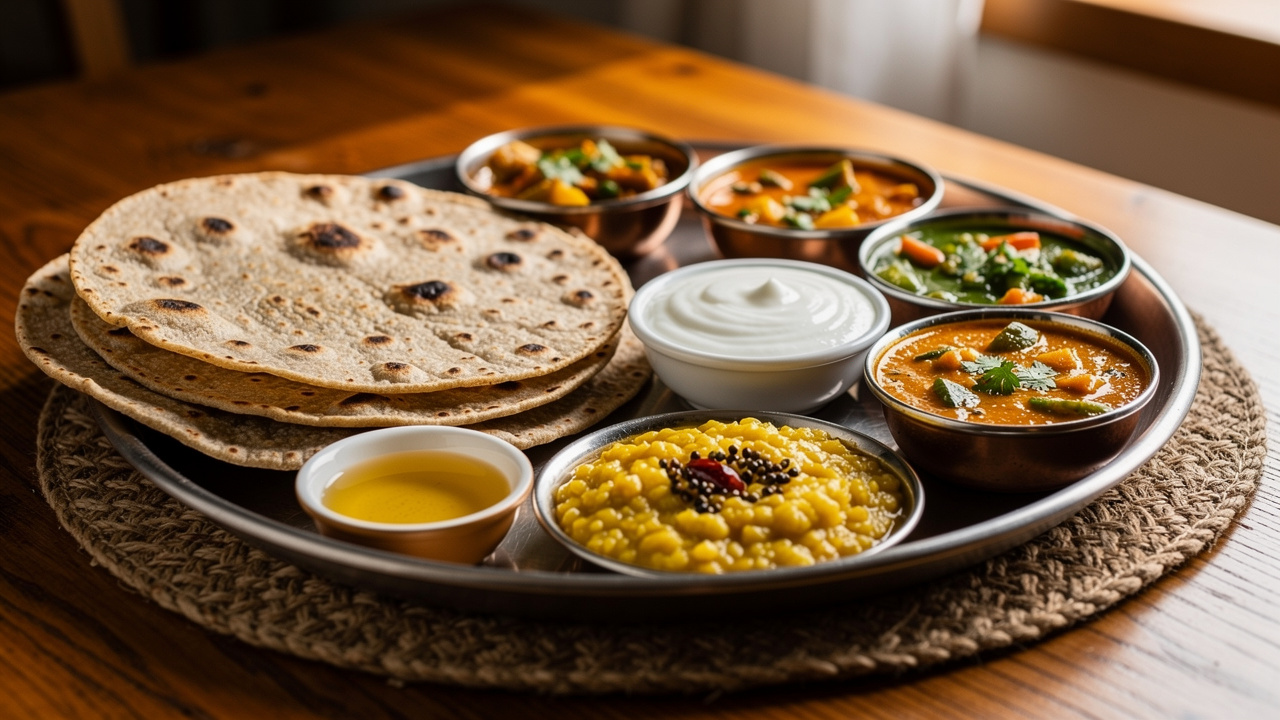
For anyone trying to lose weight, what we eat for roti can either support the plan or quietly slow it down. Calories are one part of the picture, but not the whole story. Satiety, cravings, bloating, and energy levels across the day all affect whether a person can stay on track without feeling miserable.
Ragi has a strong reputation as a weight loss grain, and there are good reasons for that:
- Its fiber content makes the stomach feel comfortably full, especially when used in thicker rotis, dosas, or mudde rather than very thin, refined forms.
- Ragi contains an amino acid called tryptophan, which may help with a sense of calm and reduce overeating driven by low mood.
- Many people notice that a ragi-based meal keeps them full longer than a similar wheat meal.
Another plus is that ragi is gluten free. For people who tend to puff up or feel heavy after several wheat-based meals, switching some of those meals to ragi can reduce water retention and bloating. This does not mean instant fat loss, but feeling lighter in the stomach can make it easier to stay active and follow a healthier pattern.
Wheat, however, deserves credit for its higher protein. When we are in a calorie deficit, the body needs protein to protect muscle mass. Losing muscle can slow the metabolic rate and make weight loss harder over time. A well-made whole wheat or Khapli chapati, eaten with dal, sabzi, or curd, can support this balance quite well.
The twist is ragi’s glycemic behavior. If we rely heavily on very soft, finely ground ragi porridge or very thin ragi dosas, blood sugar may spike quickly and then drop, leading to earlier hunger and more snacking. That can add extra calories back into the day without realizing it.
For better weight loss support:
- Use ragi in coarser forms (thicker rotis, mudde).
- Pair ragi or wheat rotis with protein (dal, egg, paneer, curd) and healthy fats (ghee, nuts, peanut chutney).
- Watch portion sizes, no matter which grain you choose.
In practical terms, a mix often works nicely. For example, using a blend of ragi and Khapli wheat for rotis can bring together better satiety, some extra protein, and a more moderate effect on blood sugar, all while keeping the taste familiar enough for the whole family.
“Eat food, not too much, mostly plants.” — Michael Pollan
Grain choices like ragi and Khapli wheat fit well into that simple, long-term approach.
Managing Diabetes And Separating Fact From Fiction
When someone has diabetes or prediabetes, the roti question feels even more serious. Every meal that pushes blood sugar too high can slowly damage nerves, eyes, kidneys, and blood vessels. At the same time, food needs to stay tasty and practical for daily life, or no plan will last. This is where clear thinking about ragi and wheat matters a lot.
For years, the common advice has been simple: switch from white rice and regular wheat to ragi, because ragi has more fiber, more antioxidants, and a lower glycemic index. Fiber slows the absorption of glucose, so sugar enters the blood more gradually. Polyphenols and other plant compounds in ragi may calm inflammation and support better insulin response. Based on this picture, many diabetics happily shifted their breakfast and dinner towards ragi.
Then came another wave of observations. In several South Indian communities, diabetics who switched heavily to ragi porridge or ragi dosa began to notice higher readings on their glucose monitors and lab tests. Nutrition experts looking at the data pointed out that finely ground ragi in thin or very soft forms behaves like a high GI food. For some people, this spike is even worse than what they see after a regular wheat chapati.
This does not mean ragi is wrong for every diabetic. It means we need to think carefully about how it is used:
- Coarser ragi preparations, such as thicker rotis or traditional mudde, tend to have a lower GI than thin, smooth porridges.
- Eating ragi with protein, fiber-rich vegetables, and healthy fats slows digestion.
- Smaller portions spread through the week may work better than eating ragi at every single meal.
On the wheat side, the type of grain matters a lot. Regular modern wheat flour has a moderate to high GI and can raise glucose fairly quickly. Traditional varieties such as Emmer or Khapli wheat have a lower GI, somewhere in the mid-forties to mid-fifties, and are absorbed more slowly. Many diabetics find that chapatis made from Khapli atta keep their readings steadier without giving up the familiar feel of wheat rotis.
From our view at Mekitt, a cautious way forward is:
- If a person with diabetes wants to include ragi, start with modest amounts in coarser forms and test blood sugar one and two hours after the meal.
- Consider bringing in Khapli wheat as the main daily roti grain, since it often behaves more gently than both regular wheat and finely ground ragi.
- Before making any big shift, speak with a doctor or dietitian who understands your medical history and medication plan.
The Gluten Factor For Digestive Health And Gut Wellness
Gluten has become a buzzword, but behind the noise there is a real digestive story. Gluten is a group of proteins found in wheat and some related grains. It gives dough the stretch that makes chapatis and bread soft and elastic. For many people, gluten is not a problem, but for others, it can be a constant source of digestive stress.
- Celiac disease is on the rise worldwide, including among Indians. In this autoimmune condition, even small amounts of gluten damage the lining of the small intestine and block the absorption of nutrients. For someone with celiac disease, strict removal of gluten is non-negotiable.
- Some people have non-celiac gluten sensitivity or irritable bowel syndrome (IBS). They may not show damage on tests but feel bloated, gassy, or uncomfortable after wheat-rich meals.
Modern wheat attas, especially when eaten three times a day in rotis, bread, biscuits, and snacks, can add up to a heavy gluten load. Some people feel fine on this pattern, but others notice acidity, irregular bowel habits, or a general feeling of heaviness. Reducing gluten, even without a formal diagnosis, often brings a sense of relief for them.
Ragi stands on the opposite side here. It is completely gluten free and tends to be gentle on the stomach for most people. Its alkaline nature can help calm acidity, while its fiber supports smoother bowel movements. The fiber in ragi also acts as food for good gut bacteria, helping to build a healthier microbiome. A healthier gut, in turn, supports better immunity, stable mood, and more stable energy across the day.
“Let food be thy medicine and medicine be thy food.” — Hippocrates
For anyone who suspects gluten might be bothering them, a simple self-check is to swap some wheat chapatis for ragi rotis over a couple of weeks and watch how the body responds. If bloating, gas, or skin flare-ups improve, it may be worth keeping wheat to once a day or choosing easier varieties like Khapli, and letting ragi play a bigger role.
Special Considerations For Ragi, Babies’ Calcium Needs, And Therapeutic Diets
Ragi is not just about weight loss and diabetes. It has a special place in Indian homes for babies, growing children, and people with specific mineral needs. When we look beyond adult fitness goals, ragi often moves from optional extra to essential grain.
Many grandmothers trust ragi as one of the best first foods for Indian babies, and modern nutrition science agrees. With about 344 milligrams of calcium per 100 grams, ragi strongly supports the development of bones and teeth. Wheat, with around 30 milligrams of calcium in the same amount, simply cannot match that. Ragi also offers useful iron, which helps prevent anemia in infants and toddlers.
Ragi is easy to turn into a smooth, gentle porridge that tiny tummies can handle. Sprouted ragi malt, cooked well with water or milk and sometimes a bit of jaggery, has been used for generations as a weaning food. Because ragi is gluten free, it does not put extra strain on a still-maturing digestive system or trigger gluten-related issues early in life. Wheat usually comes in later, after around eight to ten months, and only if there are no signs of allergy.
For adults, ragi remains valuable whenever calcium and iron are important:
- Vegans and people with lactose intolerance can use ragi regularly to cover part of their calcium needs.
- Adolescent girls, pregnant women, and new mothers, who often face iron and calcium gaps, can benefit from regular ragi-based dishes.
- Older adults who worry about bone thinning may find it helpful to include ragi along with weight-bearing exercise and other diet changes.
Ragi also fits naturally into gluten-free therapeutic diets recommended for celiac disease, some skin conditions, and certain autoimmune issues. In all these settings, it is not just an alternative to wheat but a grain with its own strong benefits.
Practical Kitchen Tips For How To Use Both Grains In Your Daily Cooking
Knowing the science is helpful, but the real test is what happens in the kitchen. If rotis fall apart or the family refuses to touch a new grain, even the best nutrition plan goes nowhere. The good news is that with a few simple tricks, both ragi and wheat can fit smoothly into daily cooking.
Working with ragi dough:
- Ragi dough behaves differently from wheat because it has no gluten to hold it together and tends to crack when rolled.
- One simple method is to pat the dough by hand into a circle on a sheet of parchment paper or a banana leaf, then flip it onto a hot tawa.
- Another way is to keep the dough slightly softer and press it out with the fingers, rather than relying only on a rolling pin.
- Adding a bit of warm water while kneading and resting the dough for ten to fifteen minutes also helps.
Using ragi beyond rotis:
- Thick ragi porridge or malt makes a comforting breakfast when paired with nuts and seeds.
- Fermented ragi batter can be used for dosa and idli that are lighter on the stomach than rice-heavy versions.
- Ragi flour can replace part of wheat flour in cookies, muffins, and cakes for a more wholesome feel, though some wheat or another binding flour usually stays in the mix for better structure.
Making the most of wheat:
- Daily chapatis and parathas made from whole wheat or Khapli atta are familiar, satisfying, and easy to handle in the kitchen.
- Cracked wheat or dalia works well as a breakfast porridge or upma-style dish.
- Suji can turn into upma, halwa, or idlis that many families already enjoy. The key upgrades are to choose less refined atta and, where possible, bring in traditional wheats like Khapli.
One of our favorite practical tips at Mekitt is to mix flours:
- Start with about 30% ragi and 70% Khapli wheat for rotis. This gives a softer dough that still carries the calcium and fiber boost of ragi.
- Over time, the ragi share can be pushed higher if the family enjoys the taste.
- This blend softens the impact on blood sugar, improves texture compared with pure ragi rotis, and makes it easier for children and elders to accept the change.
If the family is new to ragi, it helps to begin with dishes where its stronger flavor is balanced, such as ragi dosas with chutney or ragi idlis with sambar. Once everyone gets used to the taste, plain ragi rotis with ghee, dal, and sabzi feel more natural on the plate.
Conclusion
After looking at ragi and wheat from many angles, it is clear that there is no single grain that works best for every person and every goal. The real answer to the question “Ragi Vs Wheat Roti: Which Is Better For Weight Loss And Diabetes?” depends on health needs, digestion, and even taste.
- Ragi shines as a gluten-free, calcium-rich, gut-friendly grain that supports satiety and can help with weight management when used in the right form.
- Wheat, especially traditional varieties like Khapli, brings more protein and steady energy, and when chosen carefully, can fit well into a plan for blood sugar control.
- The tricky part is ragi’s glycemic behavior when ground too fine and eaten in very soft forms, which makes preparation style just as important as the grain itself.
For many people with diabetes, Khapli or Emmer wheat chapatis are a smart everyday base, with ragi added in measured amounts and coarser textures. Mixing ragi and better wheat flours can give the best of both worlds on the plate. Above all, listening to one’s own body, tracking blood sugar, and getting guidance from healthcare professionals matters more than any blanket rule.
At Mekitt, our view is simple: when we understand our grains and use them wisely, traditional Indian foods can support modern health goals very well.