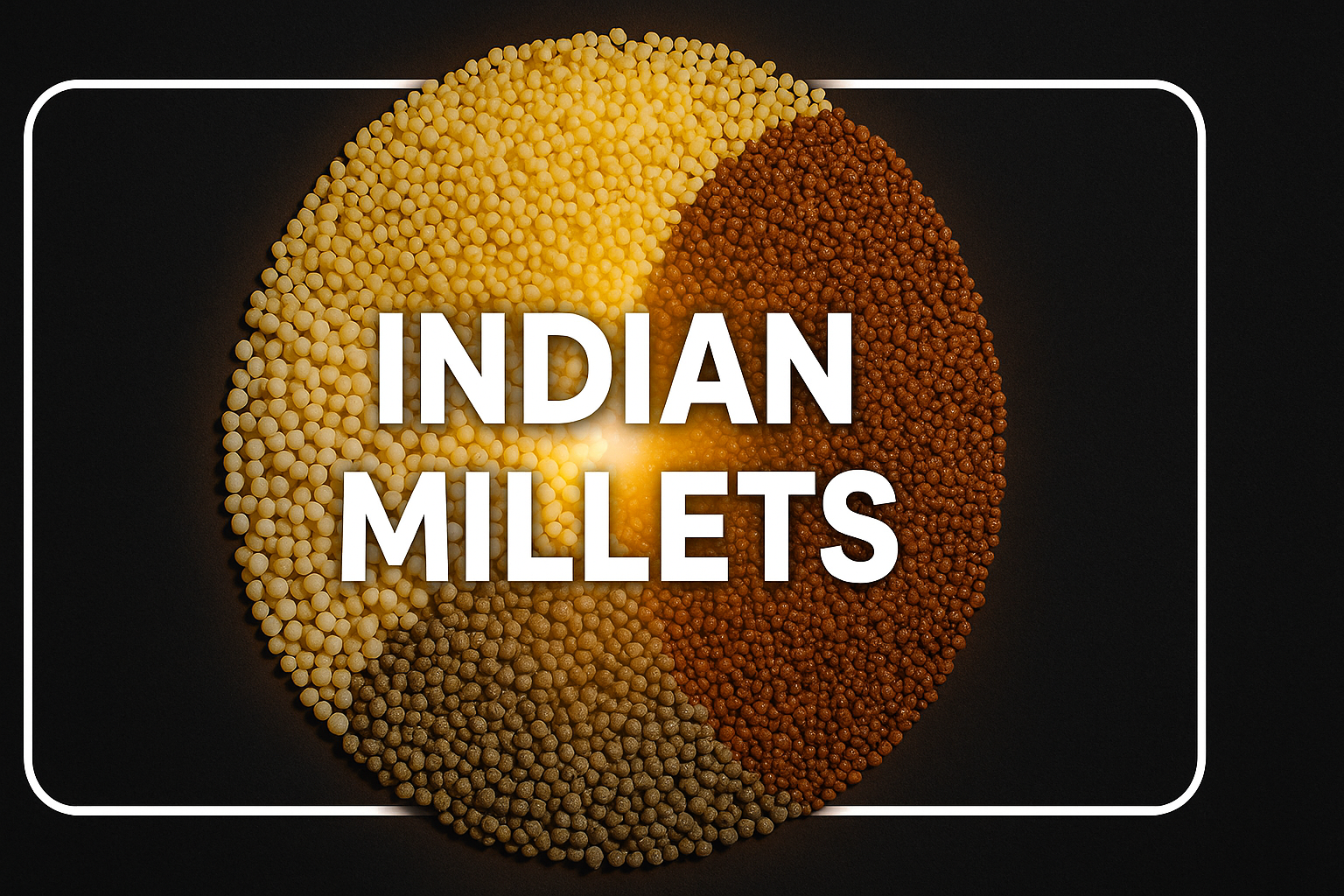
Millets come in many forms, colors, and shapes. Each one holds its own kind of strength. People pick them based on what their tummy handles or what flavor they like. Some grains pop a bit, some stay soft, some taste mildly sweet. These lil seeds bring fiber, minerals, and slow-digesting carbs that help folks handle long days without sudden hunger.
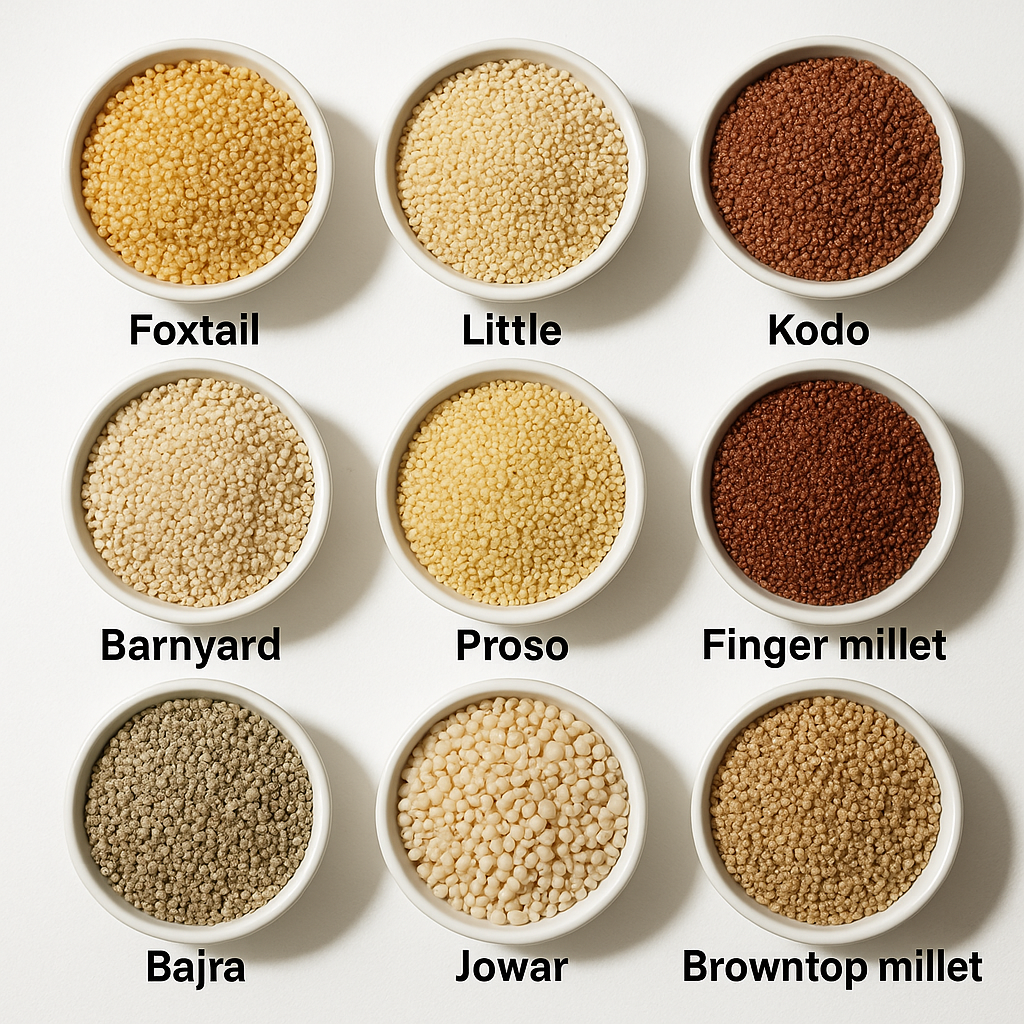
This guide walks through nine millet varieties used widely in India. Each one carries a different vibe, a small twist in flavor, and its own health perks. You’ll see why many families add them to regular meals again. No fluff, just straight talk with good info.
1. Foxtail:
Millet with calorie value and key nutrients shared in a clear simple tone for easy reading by anyone
Foxtail millet sits among the top picks when folks shift to grains that stay soft on the belly. The grain looks tiny, yellowish, and shines a bit under light. Many home cooks say it cooks quicker than they expected, and that small surprise kinda wins them over. The texture stays fluffy, so people use it as a switch for rice. A kid might even say it feels “cute and small” when washed before cooking. You’ll see it in daily tiffin boxes and in simple home meals.
Foxtail millet packs a fair amount of fiber. That fiber keeps hunger slow and steady. People with sugar swings often pick this grain since the carbs break down at a calmer pace. The grain carries minerals like iron, magnesium, and traces that support day-long work. Folks who stay on their feet for long hours like that mild boost.
Some popular uses:
- Upma with veggies
- Idli batter mixed with foxtail
- Plain cooked millet as rice swap
- Porridge for morning meals
| Feature | Foxtail Millet |
|---|---|
| Texture | Soft, slightly fluffy |
| Taste | Mild, neutral |
| Fiber | Moderate to high |
| Cooking time | Quick |
| Good for | Sugar steadying meals |
People often say, “this grain kinda grows on you” once it becomes part of weekly meals.
2. Little Millet
Known for light meals and quick digestion that many folks pick when they want comfort food with steady calories
Little millet carries a pale color and a soft bite. Many elders like it since it sits easy in the stomach. Young ones also enjoy it in lemon-flavored dishes during lazy evenings. Some folks say it cooks “without any drama”. That tiny bit of humor always pops when folks talk about this grain. It stays fluffy, feels light, and still delivers a slow burn of energy.
Little millet holds a decent pack of minerals. It also shows promise for those who try to watch their sugar swings. Folks with long office shifts like how this grain keeps hunger away without that heavy stuffed feeling. This millet fits into many South Indian dishes since the flavor doesn’t overpower other ingredients. You throw in veggies, spices, and boom—good to go.
Some easy uses:
- Lemon millet
- Millet curd rice
- Millet pongal
- Granule-style upma
| Factor | Details |
|---|---|
| Ease of digestion | High |
| Flavor profile | Mild, slightly nutty |
| Vitamin content | Good pack of B vitamins |
| Common meals | Light lunches, tiffin snacks |
People describe it as “the chill millet” because it doesn’t fight with recipes or the gut.
3. Kodo
Suited for balanced meals and steady energy intake that supports folks who want simple food without sudden hunger kicks
Kodo millet stands firm with a darker shade and a grain that holds shape during cooking. People who enjoy firmer textures often lean toward this one. Many folks say it feels “solid but friendly”, giving both bite and comfort. Kodo tends to keep people full for a longer stretch, which helps during travel or long work shifts.
This grain carries fiber, protein, and minerals in balanced ratios. The fiber supports gut flow, so lots of older folks choose it during times they want smoother digestion. Kodo fits nicely in salads, pulao, or mixed veggie meals. Many households use it in place of rice and find it working fine in daily lunch plates.
Simple uses:
- Veg pulao
- Sprout-mixed millet bowls
- Kodo khichdi
- Thick porridge meals
| Feature | Kodo Millet |
|---|---|
| Texture | Firm, grainy |
| Satiety | High |
| Ideal for | Long workdays |
| Mineral strength | Good magnesium and iron |
People often call it the “sturdy buddy” among millets since it gives lasting energy.
4. Barnyard
Rich in fiber and gentle on the stomach that many households pick for fasting days or light-eating routines
Barnyard millet stands out for its pale white grains. Many folks keep it stored for festival fasting meals. It cooks quickly, tastes mild, and carries a super-light texture. A friend once said it “slides down smooth,” showing how mellow this grain can feel. People going through heavy schedules like how barnyard millet avoids that bloated feeling.
The grain’s fiber content brings steady digestion. People with tummy sensitivity or bumpy digestion weeks often use this millet to regain comfort. Its mineral profile includes iron, calcium, and trace nutrients that support the body without overwhelming it. The grain becomes a strong pick for mild meals.
Common uses:
- Fasting pongal
- Porridge bowls
- Light pulao
- Barnyard idli mix
| Factor | Info |
|---|---|
| Cooking speed | Fast |
| Fiber | High |
| Common audience | Fasting households |
| Taste | Soft, neutral |
People like the calming vibe this grain brings to the plate.
5. Proso
Millets with protein balance and steady glucose impact often used by people who watch carbs but still want filling meals
Proso millet comes in soft yellow or cream shades. Folks love how it cooks fast and brings a gentle crunch when slightly undercooked. Many say it feels “fun to chew”, giving light character to meals. It fits well in protein-focused diets because it carries more protein than many other millet varieties.
People with sugar swings find this grain useful because it releases energy steadily. That slow release cuts out the quick hunger rush that often troubles busy workers. Proso millet also plays well with spices and veggies, allowing cooks to whip up filling meals without spending long hours.
Uses that show up in many homes:
- Millet upma
- Mixed millet dosa
- Proso curd bowls
- Millet salads
| Feature | Proso Millet |
|---|---|
| Protein | Higher than several millets |
| Texture | Slightly chewy |
| Cooking ease | Very easy |
| Great for | Sugar control meals |
Many folks call this grain the “steady buddy” for active routines.
6. Finger Millets
Strong calcium and iron profile that supports bone growth and energy balance across all age groups
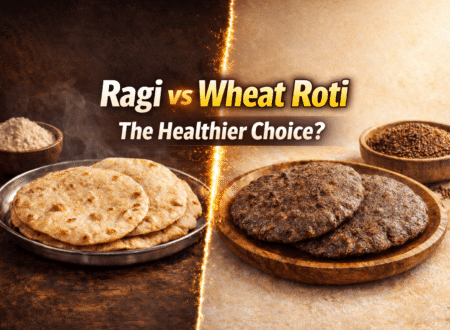
Finger millet, also called ragi in many parts, holds a deep earthy shade. The flour smells warm, almost comforting. Kids often taste it in sweet porridge made by grandmas. Adults enjoy it in rotis or malt drinks. People say it feels “rooted and homely”, giving it a special place on the shelf.
Finger millet carries high calcium, iron, and amino acids. This gives it a power-packed nutrition punch. Young mothers often pick ragi for toddlers since the grain supports bone strength. Folks with low energy spells like the slow steady push it gives. Many fitness lovers also grab onto ragi malt for long sessions since it brings carbs and minerals in a clean pack.
Use cases:
- Ragi roti
- Ragi malt drink
- Ragi porridge
- Ragi idli mix
| Factor | Value |
|---|---|
| Calcium | Very high |
| Iron | High |
| Texture | Soft when cooked |
| Great for | Kids, elders, fitness folks |
People often say ragi “feels like old warmth in a bowl”.
7. Bajra
Popular for warmth satiety and mineral strength that supports winter eating routines in many regions across the country
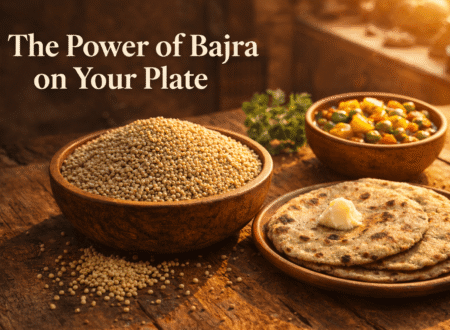
Bajra stands among the most-loved grains in the northern belt. The grains show a greyish tone and give strong earthy flavor when cooked. People like it during cold months since meals made with bajra warm the body from within. Many say it “hugs the stomach”, hinting at how satisfying it feels.
Bajra carries fiber, iron, and healthy carbs that support long days. People working in fields, small shops, and outdoor areas often rely on bajra rotis for steady strength. The grain supports digestion and keeps energy levels calm. You’ll see many roadside dhabas serving bajra rotis with ghee during winter since folks love the comfort it gives.
Common uses:
- Bajra roti
- Bajra khichdi
- Thick porridges
- Bajra laddu mix
| Feature | Bajra |
|---|---|
| Warmth | High |
| Taste | Earthy |
| Satiety | Very high |
| Minerals | Good iron, phosphorus |
People often call it the “winter friend” in many regions.
8. Jowar
Rich antioxidants and gut-friendly fiber that suits modern meal routines across urban and rural kitchens
Jowar shows up in white, red, and brown tones. The grain feels strong, a little firm, and offers mild taste that blends with many recipes. Folks who shift to gluten-free routines often choose jowar rotis. Some folks even say jowar rotis “feel airy and clean”.
Jowar holds antioxidants and fiber that support digestion. People who struggle with gut heaviness sometimes swap wheat rotis with jowar rotis during recovery days. The grain suits smoothies, porridges, rotis, and baked dishes. Many small eateries across cities now offer jowar chapatis since demand rises little by little.
Uses:
- Jowar roti
- Jowar porridge
- Jowar dosa
- Jowar salad bowls
| Factor | Jowar |
|---|---|
| Antioxidants | Strong |
| Texture | Firm |
| Gluten | None |
| Uses | Rotis, dosas, bakes |
Folks jokingly call it the “city millet” due to its rising popularity.
9. Brown Top Millet
Valued for digestion nutrient density and gut comfort that slowly gains attention among health mindful families
Brown top millet holds a darker shade and brings nutty tones to meals. Many folks haven’t heard of it till recently. Those who try it often say it “hits different”, meaning the flavor carries an earthy charm. This millet holds good fiber and micronutrients that make meals feel full yet comfy.
People with gut concerns or slow digestion often feel ease with this grain. The fiber brings smooth bowel movement and avoids heavy bloating. The grain also offers minerals that support day-long focus and mild energy lift. Brown top fits pulao, upma, thick porridge, and even salad bowls with roasted veggies.
Typical uses:
- Brown top rice-style base
- Mixed millet khichdi
- Millet bowls with veggies
- Morning porridge
| Feature | Brown Top Millet |
|---|---|
| Digestion | Very good |
| Flavor | Nutty |
| Mineral profile | Strong |
| Cooking | Easy |
People often see it as the “underrated hero” among millets.
Health Benefits of Common Millets
Millets carry fiber-rich carbs that break down slowly. This steady breakdown helps people with sugar swings. Many folks say they feel fewer mid-morning drops when they eat millet breakfasts. The grains bring calm energy that suits workers, students, and older people the same. Folks with heavy desk jobs like the way millets prevent sleepy crashes.
Weight-focused people also prefer millets since the fiber keeps hunger mellow. You eat a small bowl and it stays with you longer, which helps when folks try to cut back on snacking. Some even say “my cravings chilled out” once they switched to millet meals. That steady fullness helps people adjust eating patterns without too much fuss.
Millets also hold fiber that supports gut flow. People with constipation spells or random gut bumps often add little servings into their meals. That gentle push helps everything move smoother. Folks also find relief from heavy bloating after switching to millet lunches.
Heart comfort shows up as another perk. The grains carry good minerals like magnesium and iron. These help with muscle relaxation and oxygen flow. Many older folks add finger millet or jowar into meals for that steady mineral support. Young adults who work long hours also say these grains keep them feeling centered.
Bone strength also gets a lift, especially with finger millet. Kids, elders, and even gym-goers use ragi meals for steady calcium supply. Old grandmas say “a warm ragi bowl fixes half your day”. That charm still holds across many kitchens.
Conclusion:
Millets stay small in size but bring big comfort to daily meals. People across many regions now see how these grains give steady fullness and easy digestion. Homes with busy routines enjoy how millets settle in well without complicated cooking steps. The grains slide into breakfast, lunch, and light meals with ease. Folks talk about them casually in markets, showing a fresh kind of acceptance. No hype, just steady use.
Each millet brings its own charm. Foxtail feels soft. Little millet stays mellow. Kodo brings firmness. Barnyard helps on slow days. Proso feels chewy in a fun way. Finger millet brings mineral strength. Bajra warms meals in colder months. Jowar gives light airy rotis. Brown top offers earthy flavor that kinda grows on you. Together they build a strong grain family that fits many lifestyles.
People of all ages find something in this group that works for their needs. Parents seeking lighter foods, elders managing digestion, and workers chasing long hours all find some comfort in these grains. Small steps, small bowls, small changes. Yet the effect sits deep in daily life. Millets take you back to simple food that keeps the body steady and grounded.